English| EUR
Suggested for you
More currencies
Book Now
Open today · 10:00 – 17:00

Saijo Sake Tasting

Saijo Sake Tasting — Brewery Walks & Guided Experiences

Seven breweries, centuries of craft, a district devoted to rice and water.

50K+ travelers chose this
Free Cancellation
Right now: Moderate — autumn season Enjoy the crisp weather while exploring the historic district.
Free Cancellation
Free cancellation Instant confirmation Mobile voucher Verified partner Skip-the-line
7
Breweries
Clustered near Saijo Station
350 years
History
Brewing tradition since 1675
0 JPY
Entrance fee
Brewery district is free to explore
10:00–16:00
Arrival window
Best time for tastings and tours
Choose your ticket

Saijo Sake Tasting tickets at a glance

Compare fares, pick the fit — all bookings are mobile-voucher and eligible for free cancellation where shown.

Saijo Sake Brewing District Tour from Hiroshima 3 hr
Standard Entry

Saijo Sake Brewing District Tour from Hiroshima

5 (2)
€65
  • Entry ticket
  • Mobile voucher
  • Valid same day
  • Free cancellation
Book this ticket
Saijo Sake District Walking Tour with Brewery Tastings 2 hr 30 min
Guided Experience

Saijo Sake District Walking Tour with Brewery Tastings

€40
  • Expert local guide
  • Small group
  • Skip-the-line access
  • Free cancellation
Book this ticket
Compare options

Compare Saijo Sake Tasting ticket options

Exploring the historic brewing landscape through a saijo sake tasting requires choosing between an independent self-guided stroll or a structured local brewery visit. Whether you prefer the flexibility of wandering Sakagura-dori at your own pace or the depth of a guided experience, there are options to suit your needs.

Self-Guided Exploration Flexible Stroll Top pick
Guided Brewery Tour Expert-Led Access
Entrance fee 0 JPY
Access method Walking (Flexible)
Included areas Public brewery areas
Wait time None
Best for Independent travelers

Verdict: For the most comprehensive insight into local brewing traditions, we recommend booking one of the professional saijo sake tasting tours.

Is Saijo Sake Tasting worth it?

Worth it for serious sake enthusiasts

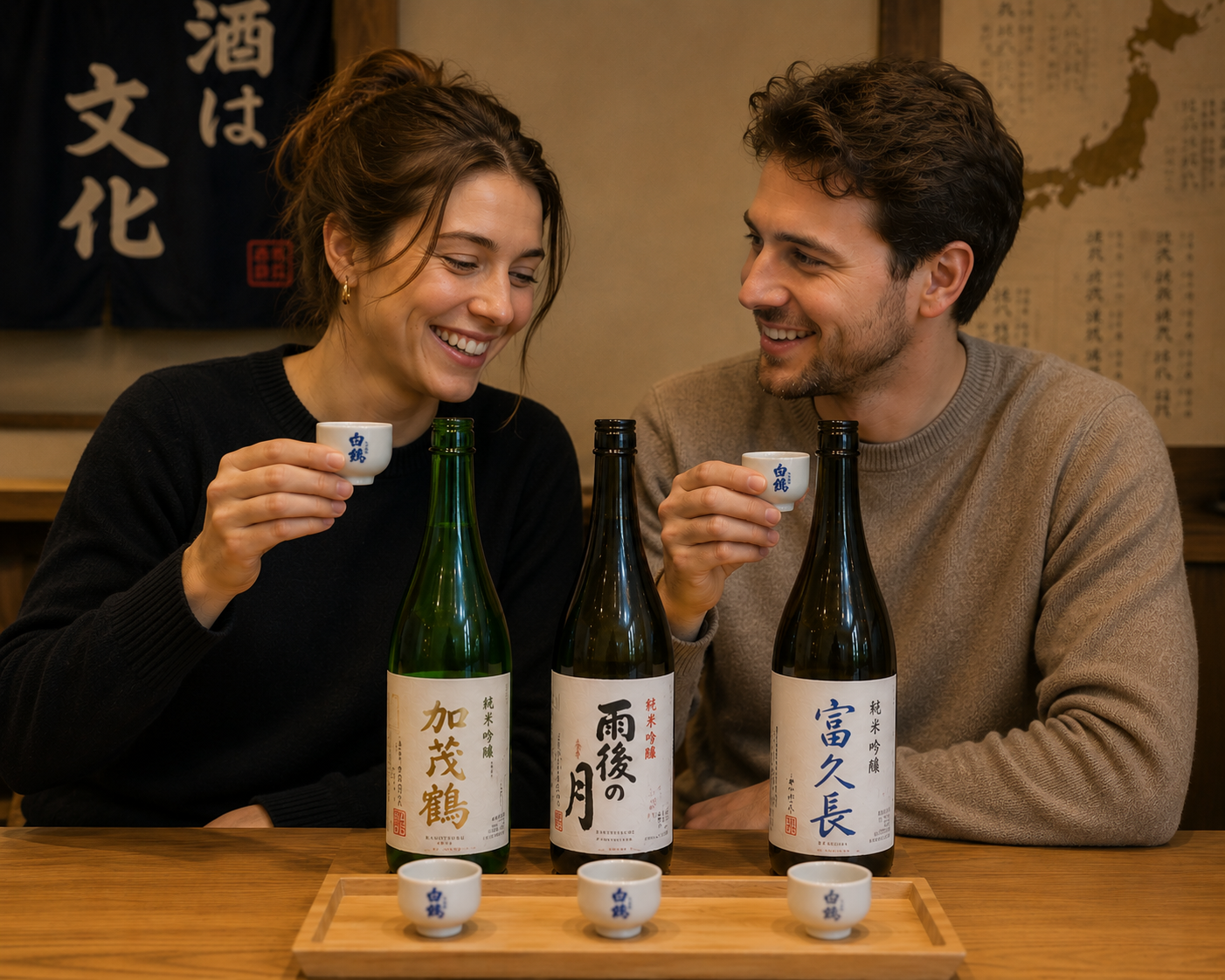
Saijo Sake District offers free entry to one of Japan's most concentrated sake brewing zones, where seven historic breweries cluster within walking distance. Individual saijo sake tasting experiences range from complimentary samples at brewery shops to structured guided tours that decode rice polishing ratios, fermentation tanks, and regional brewing styles. The district's red-brick chimneys and traditional kura warehouses frame an authentic craft beverage trail without admission gates or forced itineraries. Guided options like the 7-Brewery Tasting Experience or Sake Etiquette sessions add English context and systematic comparisons across Hiroshima's signature ginjo and junmai styles. Self-guided visitors can sample freely but may miss the technical narrative behind koji mold cultivation and water chemistry. The concentration of working breweries—Kamotsuru, Hakubotan, and Kirei among them—delivers more tasting variety per kilometer than most sake regions, making saijo sake tasting tours exceptionally efficient for travelers prioritizing depth over breadth.

What makes it worth it

  • No district entry fee, pay only for tastings you choose
  • Seven historic breweries within 1.5 km walking radius
  • Working production facilities, not sake museums
  • English-guided tours decode brewing techniques and regional styles
  • Morning arrivals avoid midday crowds at popular breweries

Keep in mind

  • Limited English signage for self-guided visitors
  • Most breweries close by 17:00, limiting evening visits
  • Tasting fees add up across multiple stops
  • Weekday visits offer quieter experiences than weekends

Bottom line: Saijo delivers Japan's most accessible multi-brewery sake tasting corridor, worth the trip for anyone who wants to understand craft sake beyond the bottle.

Head to head

Saijo Sake District vs Fushimi Sake District — Which Is Better?

Both locations offer an authentic glimpse into Japanese brewing heritage, though Kyoto's Fushimi district is often favored for its compact, picturesque canal-side charm. Visitors interested in a saijo sake tasting tour typically find the Hiroshima setting more industrial and immersive in its production history.

Top pick
Saijo Sake District
Fushimi Sake District
Location
Brewery atmosphere
Public access
Best arrival window
Primary drink style
English support
Travel access
Typical duration

Verdict: Choose the Fushimi district if you prioritize scenic canal strolls and guided saijo sake tasting tours, or opt for Saijo if you prefer an authentic, quiet town atmosphere focused on local brewery heritage.

Featured Experiences

Popular Saijo Sake Tasting tours & activities

Hand-picked experiences loved by thousands of travelers

Recommended Experience

Powered by GetYourGuide

Another traveler favorite

Powered by GetYourGuide
Hiroshima Sake Tasting with Local Host 1 hour Free Cancellation

Hiroshima Sake Tasting with Local Host

Sample premium regional sake varieties while learning about brewing traditions in Japan's celebrated sake heartland

FromFrom €18.86
See details
Hiroshima Sake Etiquette & Tasting Experience 30 minutes Free Cancellation

Hiroshima Sake Etiquette & Tasting Experience

Master the art of Japanese drinking customs while sampling three premium local sake varieties

5 (2)
FromFrom €21.02
See details
Saijo Sake District Walking Tour with Tastings & Lunch 3 hours Free Cancellation

Saijo Sake District Walking Tour with Tastings & Lunch

Explore Hiroshima's renowned brewing quarter with guided visits to historic sake houses and local cuisine

FromFrom $158.38
See details
Saijo Sake Heritage Tour with Brewery Visits 4 hours 35 minutes Free Cancellation

Saijo Sake Heritage Tour with Brewery Visits

Explore Japan's renowned sake district with temple visits, brewery tours, and premium tastings

5 (3)
FromFrom €85.14
See details
Hiroshima & Miyajima UNESCO Heritage Full-Day Tour 8 hours Free Cancellation

Hiroshima & Miyajima UNESCO Heritage Full-Day Tour

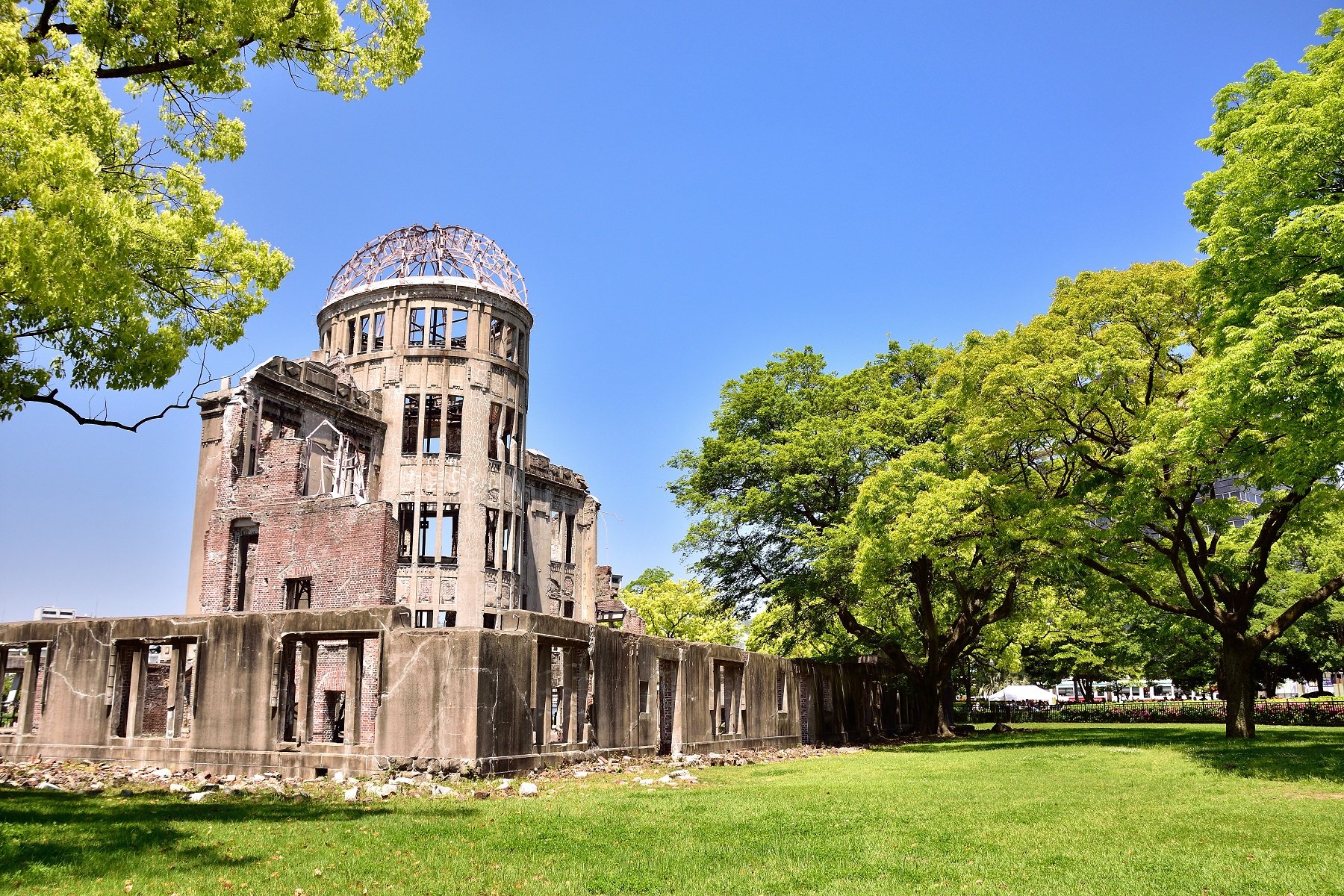
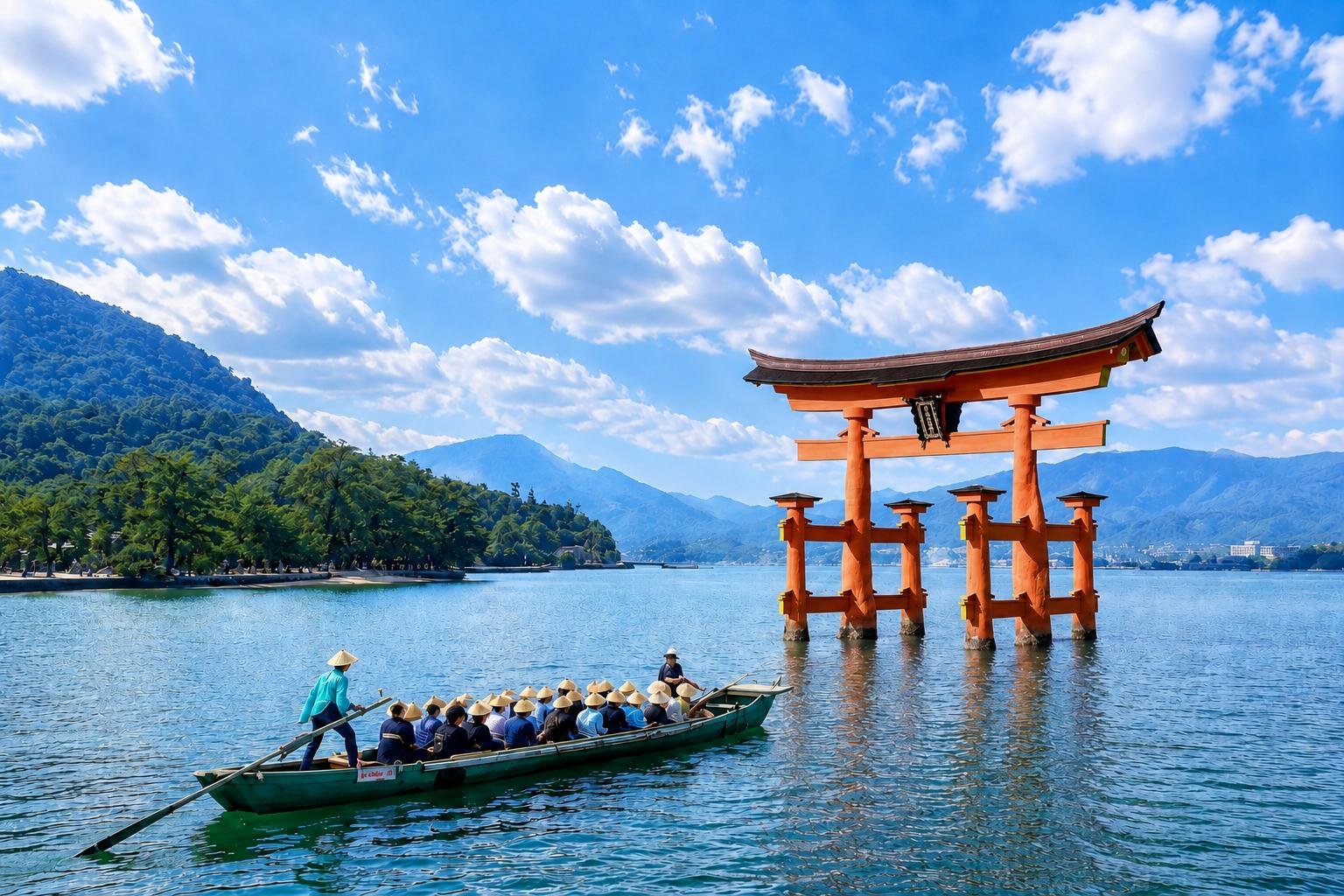
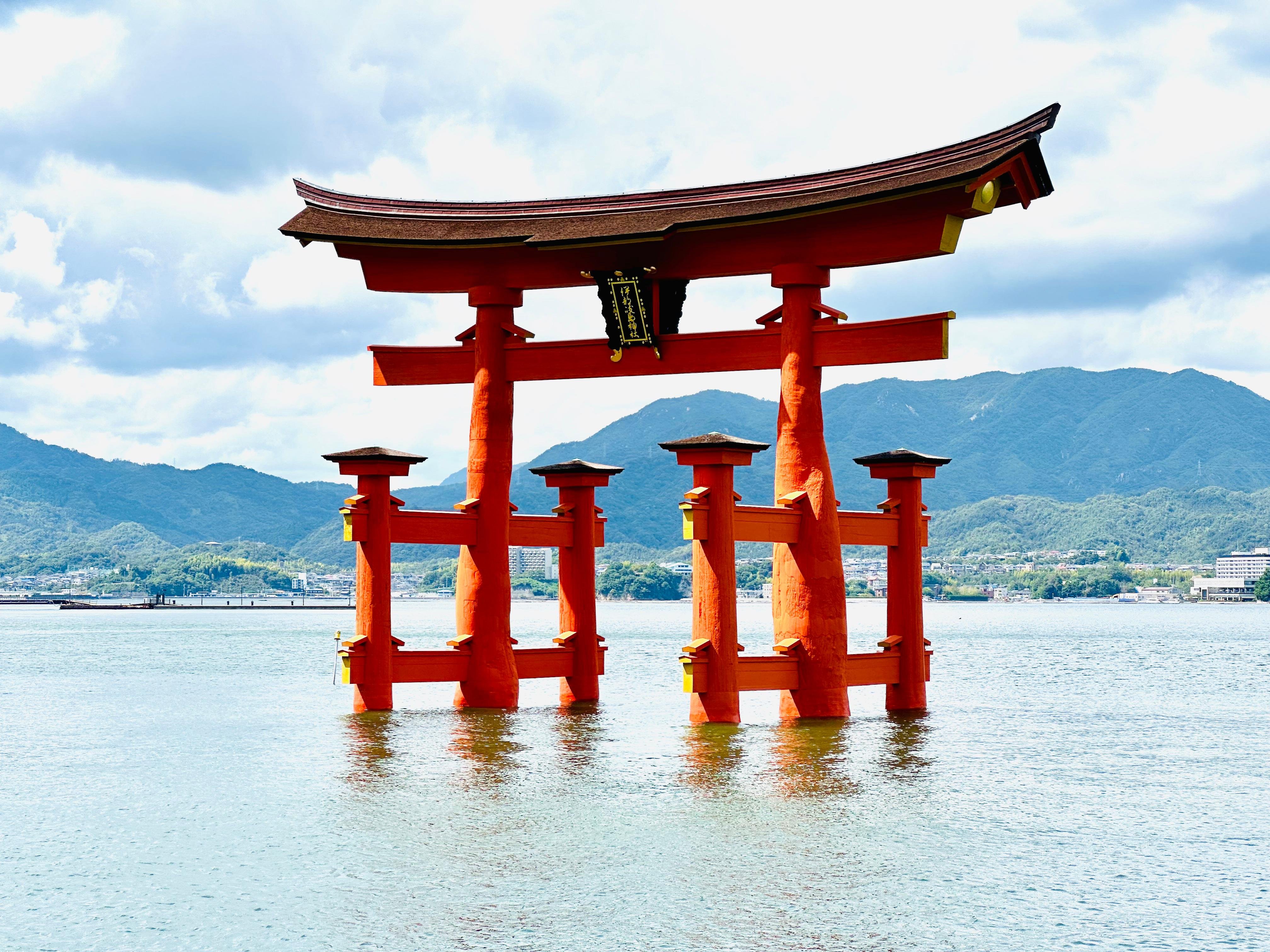
Discover two World Heritage Sites in one day with guided visits to peace memorials and sacred shrines

5 (3828)
FromFrom $118.94
See details
Hiroshima & Miyajima Full-Day Bullet Train Experience 12 hours Free Cancellation

Hiroshima & Miyajima Full-Day Bullet Train Experience

Journey by shinkansen to explore Hiroshima's poignant memorial sites and Miyajima's floating shrine

4.7 (1216)
FromFrom $269.18
See details
Hiroshima & Miyajima UNESCO Heritage Day Tour 6.5 hours Free Cancellation

Hiroshima & Miyajima UNESCO Heritage Day Tour

Explore two World Heritage Sites in one day: sacred Miyajima Island and Hiroshima's Peace Memorial Park

4.8 (235)
FromFrom €67.9
See details
Hiroshima & Miyajima Bullet Train Experience 8 - 11.5 hours Free Cancellation

Hiroshima & Miyajima Bullet Train Experience

Journey by Shinkansen to explore sacred island shrines and powerful peace memorials in one unforgettable day

4.8 (338)
FromFrom €81.95
See details
Your journey

Your Saijo Sake Tasting day, step by step

1

Station Arrival

Arrive at JR Saijo Station and walk to the district.

2

Brewery Walk

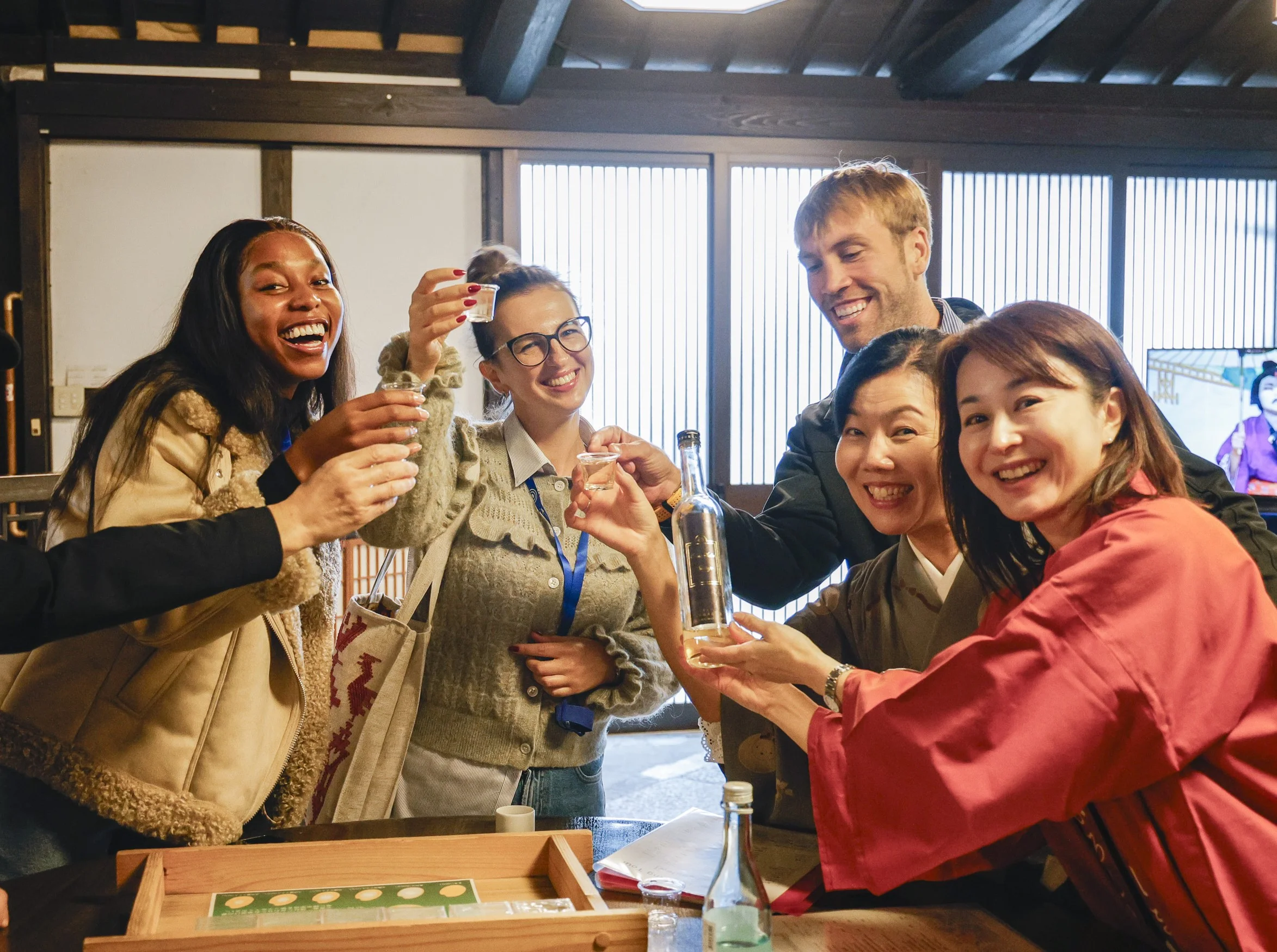
Visit multiple breweries to enjoy a saijo sake tasting.

3

Lunch Break

Dine at a local restaurant using sake brewing water.

4

Souvenir Shopping

Purchase local sake bottles at the brewery shops.

What you'll see

What you'll see at Saijo Sake Tasting

Kamotsuru Sake Brewery

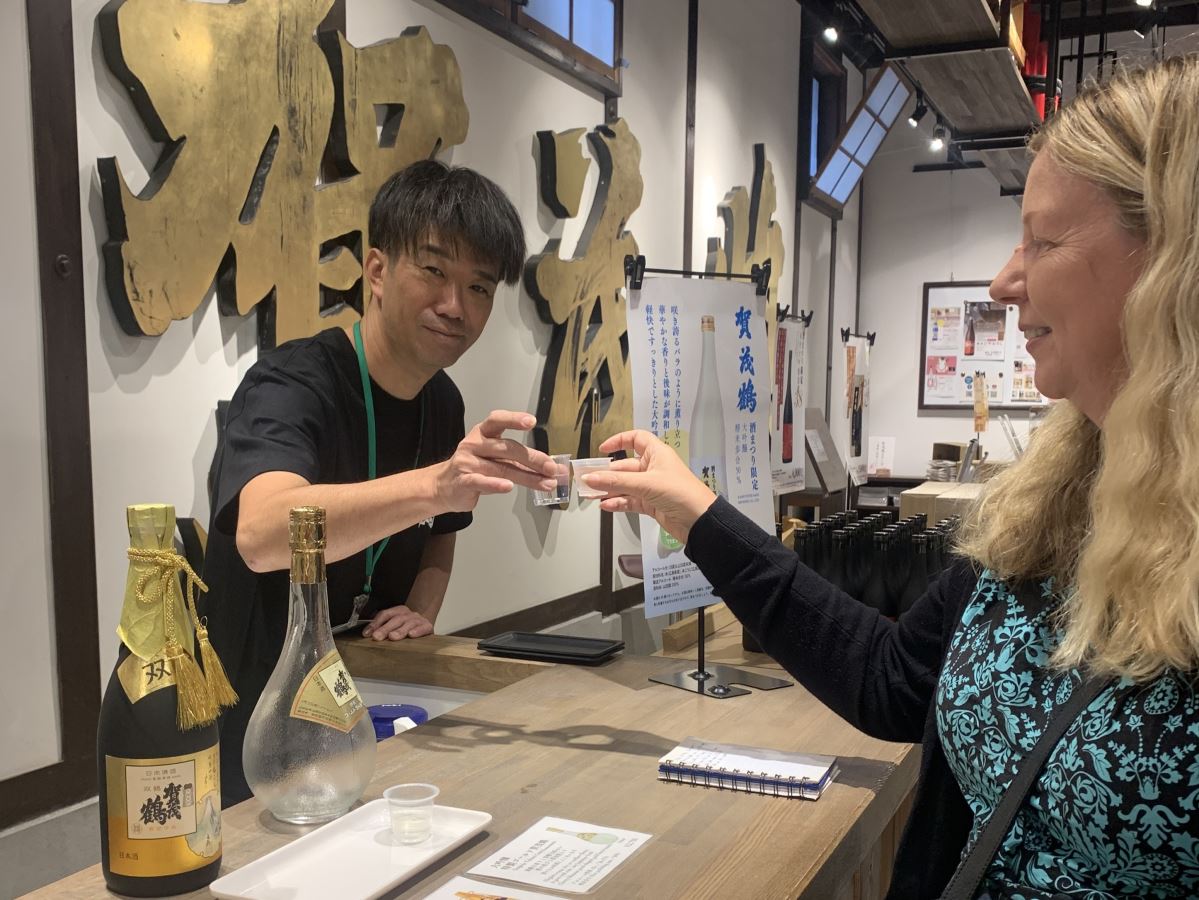
Home to famous gold-leaf sake, this brewery offers deep insights into brewing traditions.

Saijo-no-Sake Brewing Water

The soft water from this area is essential for high-quality sake production.

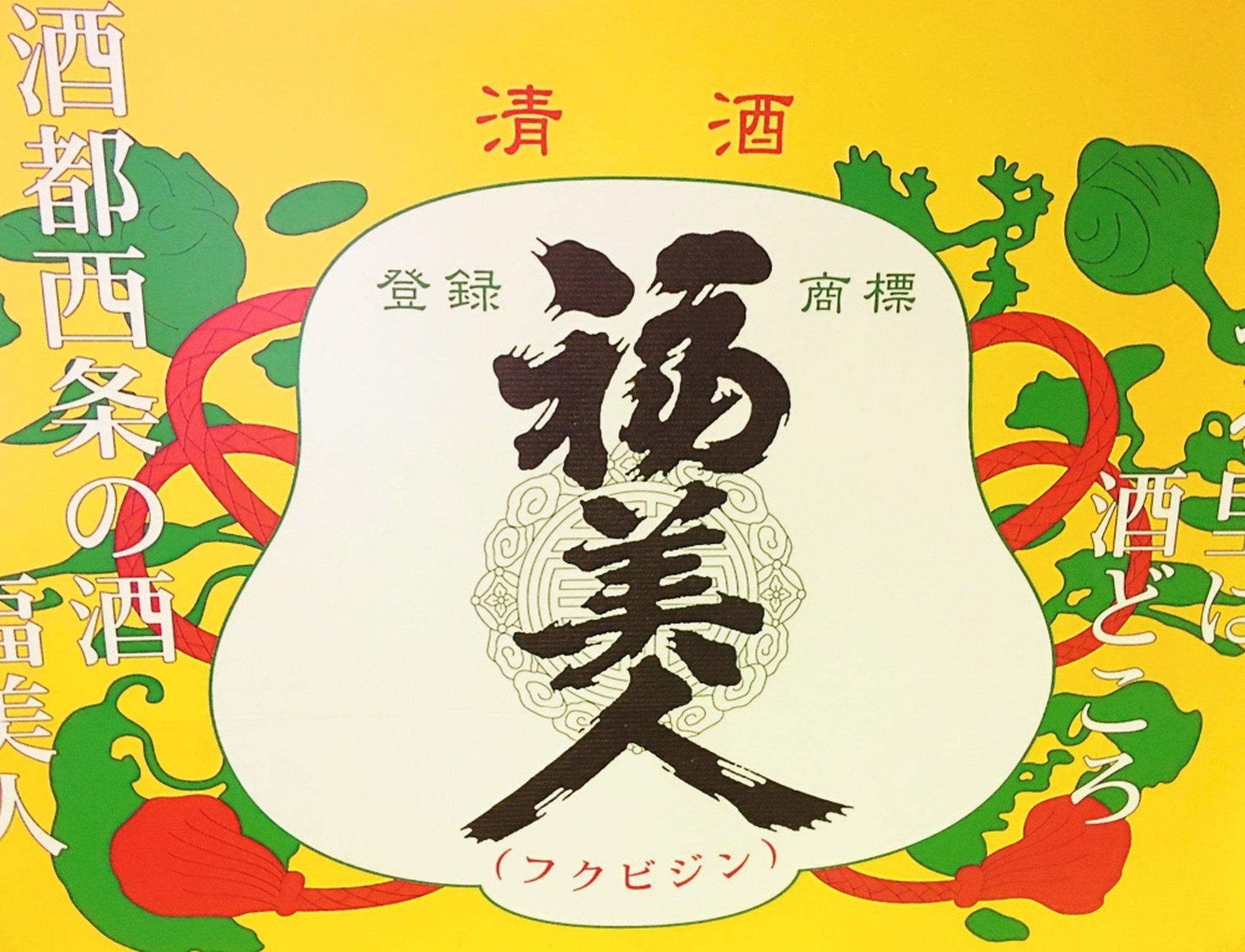
Fukubijin Sake Brewery

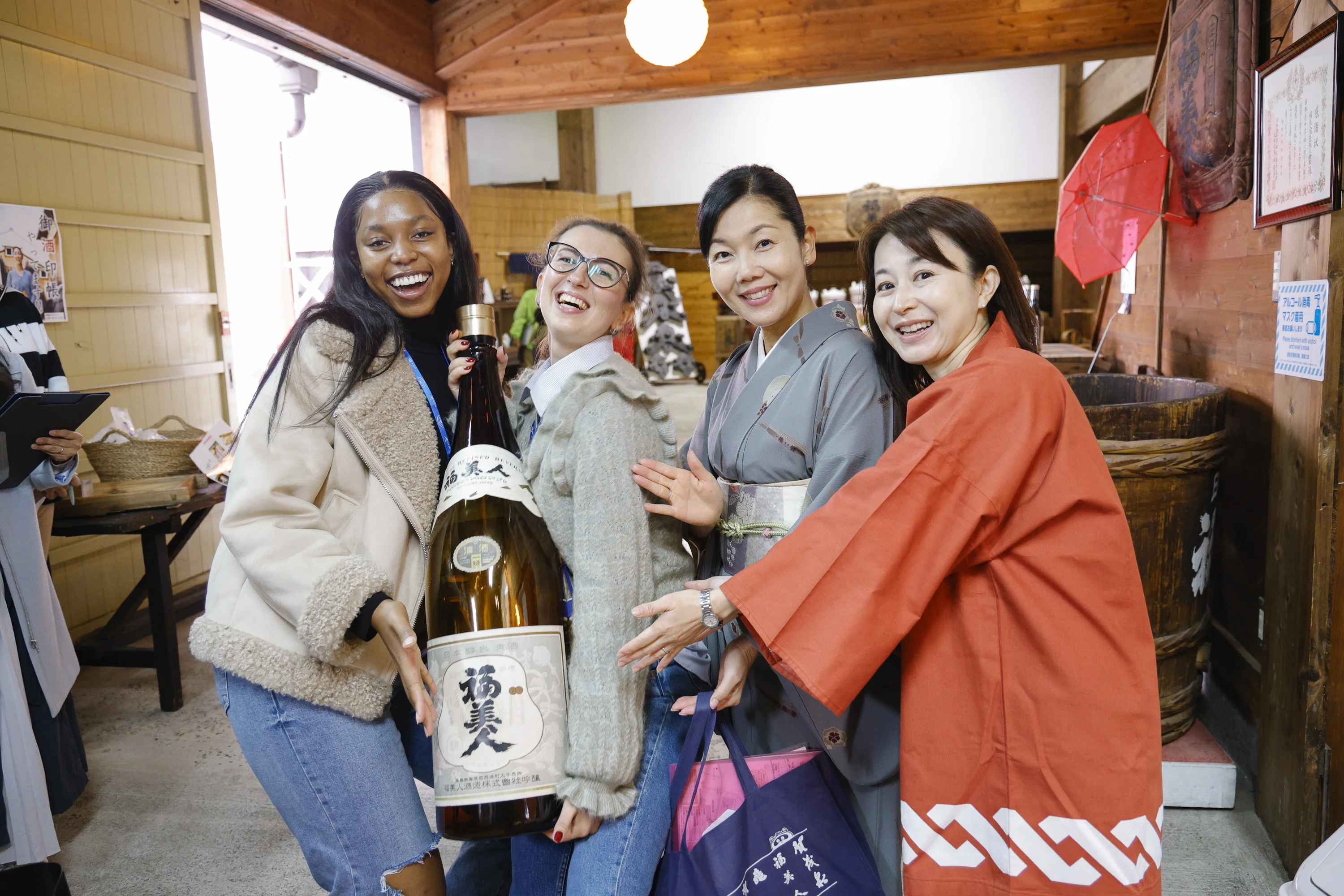
Known for their refined brewing methods and spacious tasting room for a professional saijo sake tasting.

Kamoizumi Sake Brewery

Pioneers in junmai sake, providing a unique perspective on craft fermentation.

Saijo Sake Street

The main artery featuring traditional white-walled storehouses that define the district character.

The experience

What visiting Saijo Sake Tasting is really like

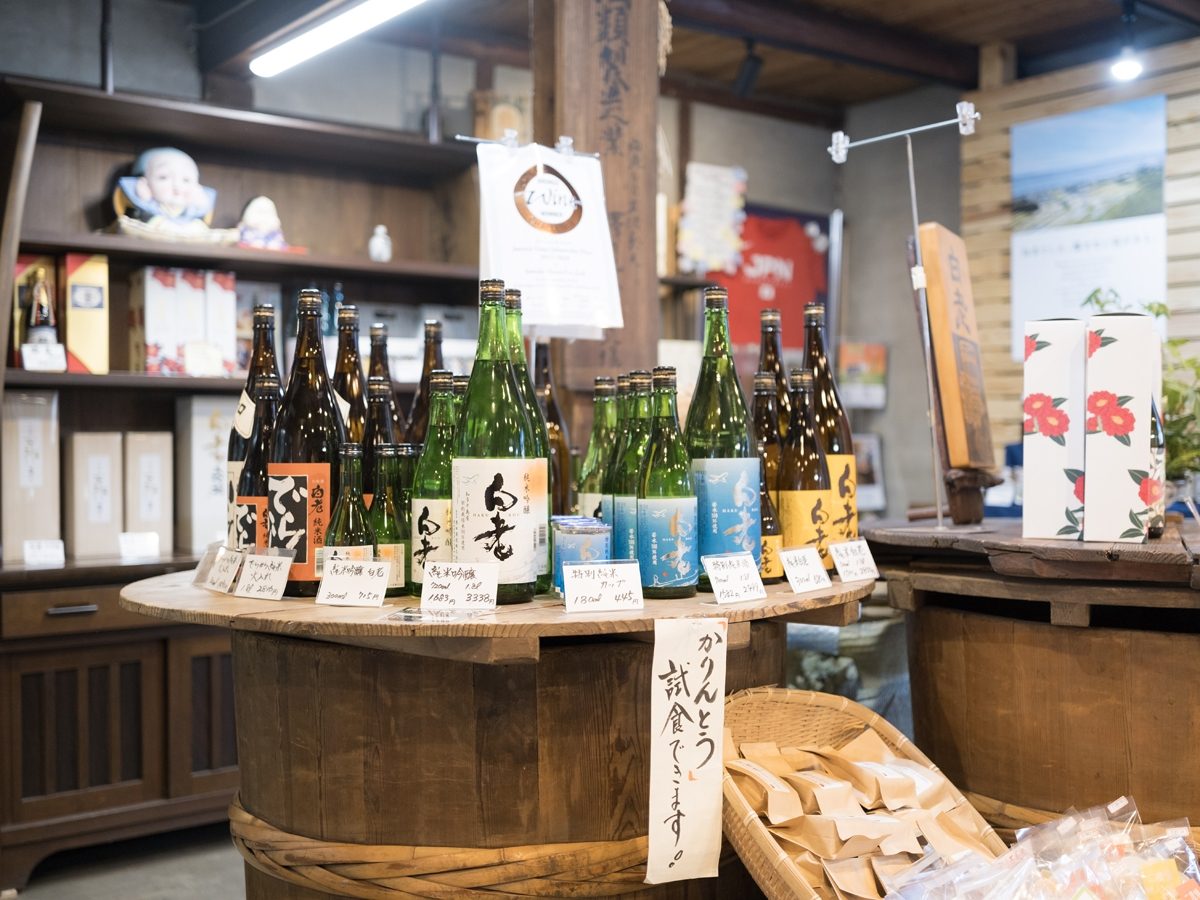
You arrive at JR Saijo Station mid-morning and walk south past rows of persimmon trees toward the white plaster facades of the brewery district. The first stop is Kamotsuru, where a tasting room lines its walls with labeled bottles spanning forty years of production.

Read more Show less

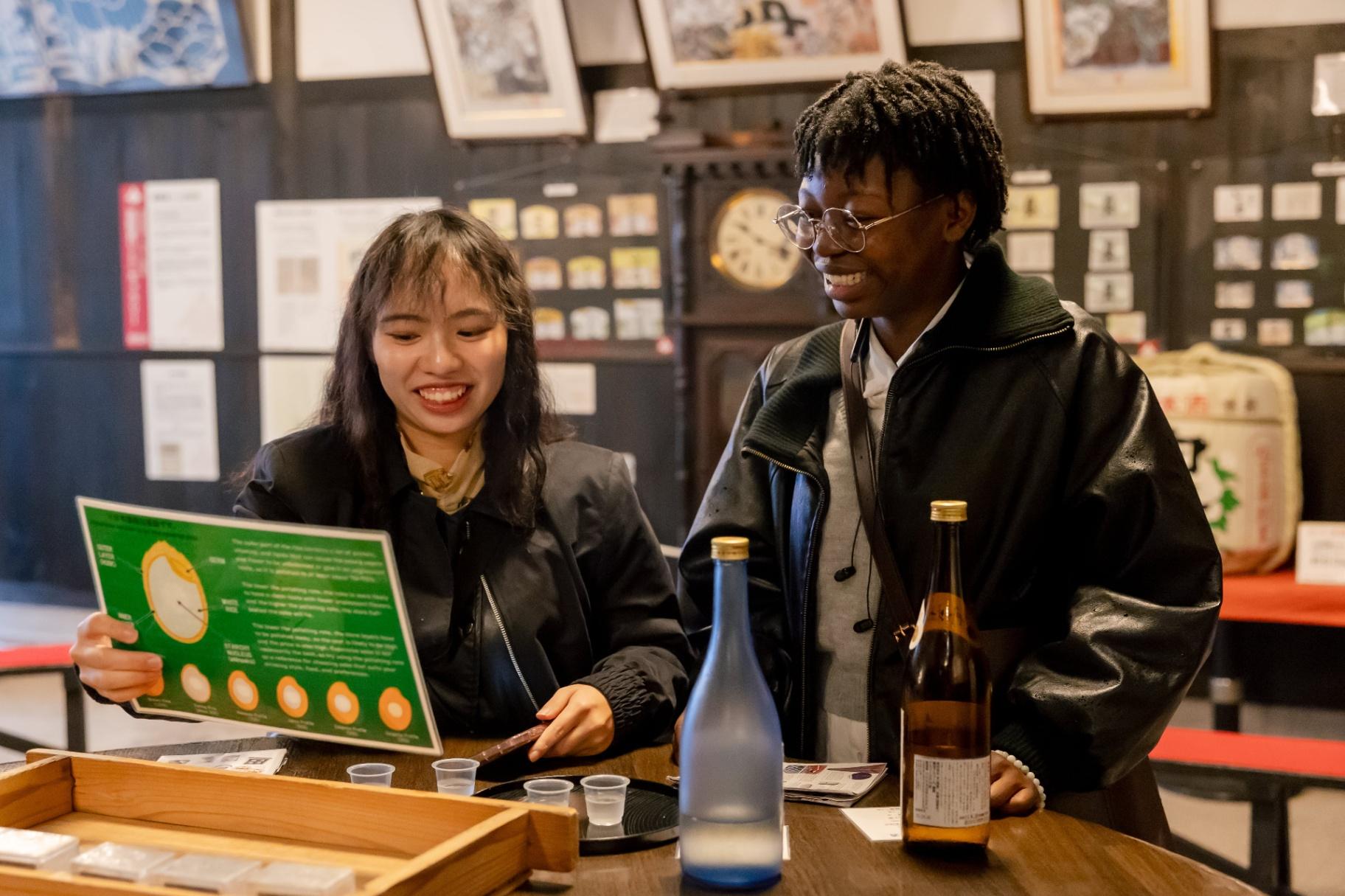
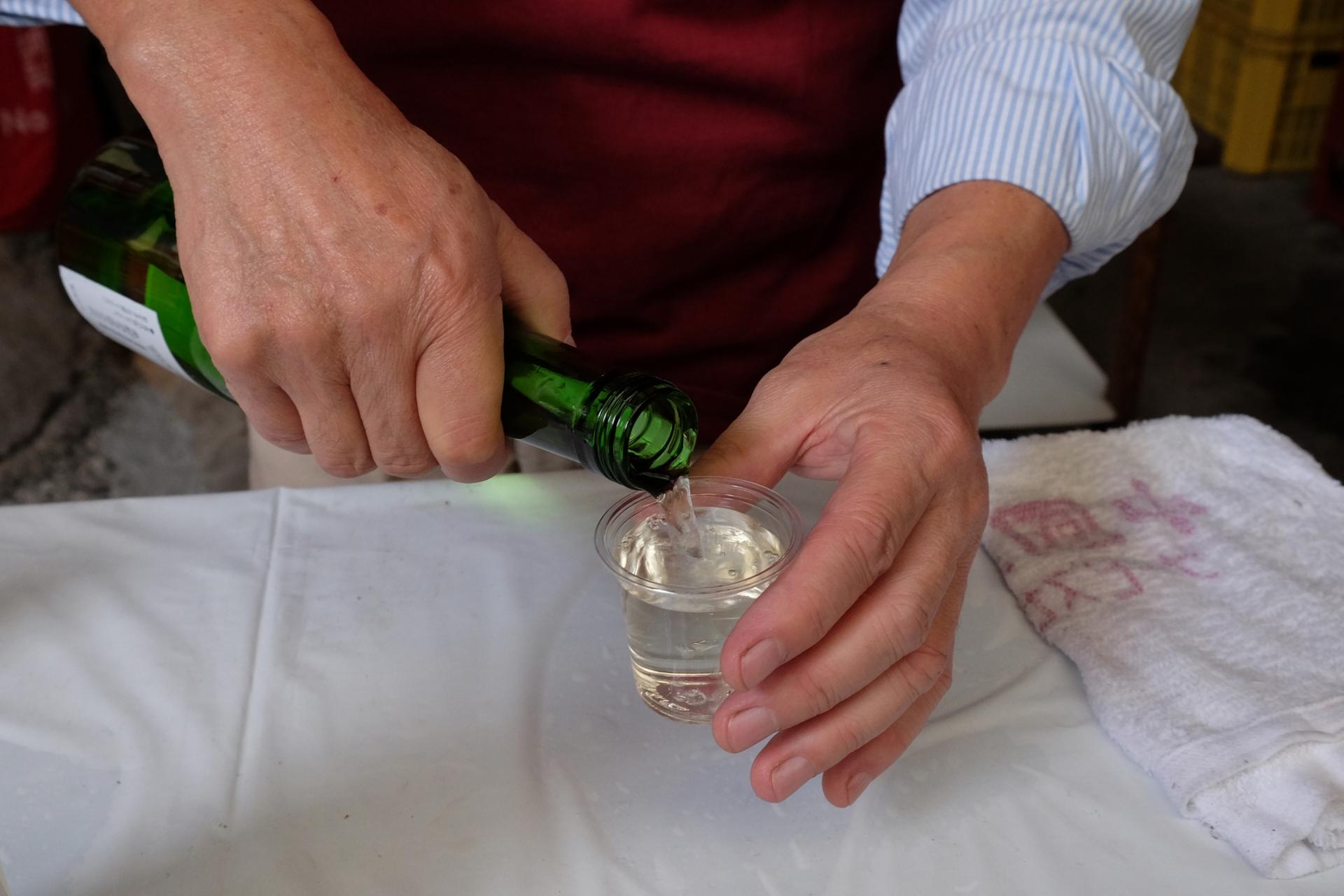
You sample three: a bright junmai, a floral daiginjo, and a koshu aged eight years in ceramic. The guide pours from a glass carafe, explaining that Saijo water contains half the mineral content of Tokyo's supply.

You continue to Fukubijin, where a production tour takes you past steel fermentation tanks and a small museum displaying wooden pressing equipment from the 1920s. The air smells faintly of steamed rice and yeast. At Saijotsuru, you join an etiquette session: how to lift the ochoko without covering the design, how to pour for others before refilling your own cup, the correct angle for examining clarity against light. Each brewery offers a different house style, and by the fourth tasting you begin distinguishing the mineral backbone that defines Saijo sake.

You finish at Sake Plaza, a district-run facility that stocks bottles from all seven producers. A side-by-side tasting of nigori styles reveals texture differences—some creamy, others chalky—that stem from rice milling ratios. You leave with two bottles and a technical vocabulary you didn't have three hours earlier.

Saijo Sake Tasting
Everything You Need to Know

Your complete Saijo Sake Tasting guide

All the details about your upcoming adventure in one place

Saijo produces one tenth of Japan's sake, yet the district occupies fewer than four square kilometers of Higashihiroshima's flatlands. Seven historic breweries cluster along a single streetscape, their white plaster walls and tile roofs unchanged since the Meiji restoration.

The concentration exists because of water: soft groundwater filtered through granite, low in iron, ideal for fermenting rice. Brewers discovered the aquifer in the 1650s, and by 1899 Saijo had become the nation's third-largest sake-producing region.

The district operates as a working production zone. Kamotsuru, Fukubijin, Saijotsuru, and Kirei produce year-round, with peak brewing between October and March when temperatures stabilize fermentation. Each brewery maintains tasting rooms open daily, though production floors admit visitors only during scheduled tours. The architecture reflects function: thick mud walls regulate temperature, clay-tiled roofs vent steam, and narrow alleyways separate timber-frame workshops from fermentation halls. Sugidama—spheres of cedar fronds—hang above each entrance, turning from green to brown as the sake inside ages.

Saijo sake tasting tours move visitors through the technical stages that transform Yamada Nishiki rice into clear junmai or cloudy nigori. Guides explain koji cultivation, the role of yeast strains, and the pasteurization debate. Tastings compare daiginjo styles milled to forty percent grain size against fuller-bodied honjozo blends. Some experiences include etiquette instruction: how to hold an ochoko cup, the sequence for nosing and sipping, the temperature differences between kan and hiya service. Walking routes cover all seven breweries in under two hours, though serious tasting requires three.

The district also holds the Sake Matsuri each October, drawing 250,000 visitors for outdoor tastings, brewery open houses, and symposiums on fermentation science. Outside festival season, the streetscape remains quiet. Visitors cycle between breweries, pausing at the Sake Plaza for regional comparisons or the Toyo no Aki Museum for historical context. The experience centers on discernment: learning to distinguish terroir in rice, detecting floral notes from different yeast strains, and understanding why Saijo's soft water yields sake that finishes dry rather than sweet. Brewery tours here operate as technical education, not leisure, reflecting the district's identity as a production landscape first and a tourist site second.


Saijo produces one tenth of Japan's sake from fewer than four square kilometers of Higashihiroshima's flatlands.

Dress code

Casual and comfortable walking shoes are recommended for navigating the stone-paved streets during your saijo sake tasting tour.

Bags & security

Large luggage should be stored at lockers near Saijo Station as brewery interiors can be cramped during busy saijo sake tasting events.

Photography

Photography is generally permitted in common areas, but please ask for permission before capturing interior fermentation tanks during your saijo sake tasting visit.

Families & strollers

While adults enjoy the saijo sake tasting, younger visitors can enjoy the surrounding park areas. Be mindful of narrow brewery corridors.

Accessibility

Many historic breweries have small steps at entrances and uneven flooring. Contact individual facilities to confirm wheelchair access for your saijo sake tasting experience.

Food & drink

External food and beverages are not allowed inside production areas. Sake samples are strictly for those of legal drinking age.

Not allowed

× Drones × Tripods × Large suitcases × Open flames × Strong perfumes × Smoking materials × Professional lighting gear × Pets

What to bring

✓ Comfortable shoes ✓ Valid ID ✓ Cash for purchases ✓ Water bottle ✓ Umbrella for rain

Opening hours

Mon 10:00 – 17:00
Tue 10:00 – 17:00
Wed 10:00 – 17:00
Thu 10:00 – 17:00
Fri 10:00 – 17:00
Sat 10:00 – 17:00
Sun 10:00 – 17:00

How to get there

Closures & exceptions

  • ·Jan 1 — New Year Holiday
  • ·Jan 2 — New Year Holiday
  • ·Jan 3 — New Year Holiday

At a glance

Opening Hours

10:00–17:00

Address

Saijohonmachi, Higashihiroshima City, Hiroshima Prefecture, Japan

Accessibility

Varies by historic brewery

Best Arrival

10:00–16:00

Contact

+81-82-421-2511

Official Site

https://en.higashihiroshima-kanko.jp/special-saijo/

Getting there

Public transport · 40 min · 600 JPY

Take the JR Sanyo Main Line to Saijo Station. The district is a 5-minute walk from the station exit.

Cancellation policy

Individual brewery tours booked via external partners have specific windows. Entrance to the Saijo Sake District is 0 JPY, so no refund is required for district access.

Plan your time

Optimal Timing and Duration for Saijo Sake Tasting

Recommended time

3-4 hours

A well-paced saijo sake tasting session allows you to visit multiple traditional breweries within the heart of Higashihiroshima City. Arriving during the 10:00–16:00 window ensures you can secure saijo sake tasting tickets for various premium flights while experiencing the local fermentation culture. Those planning to join extensive saijo sake tasting tours should allocate additional time to explore the historic brick chimneys and well-water sites that define this district.

Crowd levels through the day

10:00–11:30 Light
11:30–13:00 Moderate
13:00–14:30 Peak
14:30–16:00 Moderate
Plan ahead

Best time to visit Saijo Sake Tasting

Weather · crowds · average price — dots go green to amber to red as each metric rises.

Spring

Mild temperatures make walking between breweries very pleasant for a saijo sake tasting.

Summer

Expect humid weather; many shops offer seasonal chilled beverages.

Autumn

Comfortable climate perfect for walking tours and outdoor exploration.

Winter

Cooler weather; ideal for appreciating the sake brewing process during an authentic saijo sake tasting tour.

Insider tips

Helpful tips for visiting Saijo Sake Tasting

Check Opening Hours

Confirm individual brewery schedules before your saijo sake tasting as some sites have varying mid-day breaks.

Use Train Access

The district is easily accessible by train, making it perfect for a stress-free saijo sake tasting excursion.

Visit Mid-Week

Mid-week visits often provide a quieter atmosphere for your saijo sake tasting tour.

Sample Responsibly

Enjoy the variety of flavors offered during your saijo sake tasting, but drink plenty of water.

Carry Cash

Small brewery shops may not accept credit cards for all saijo sake tasting items.

Where to meet

Saijo Sake Tasting meeting points

JR Saijo Station

Saijohonmachi, Higashihiroshima

Main hub for regional transport

Get directions
The story

The Centuries-Old Evolution of Saijo Sake Tasting

The origins of saijo sake tasting trace back to the 1650s, when traveling monks discovered the region's exceptionally soft groundwater flowing beneath Saijohonmachi. The water contained minimal iron and manganese, elements that typically spoil fermentation. Local landowners began small-scale brewing by the 1670s, but production remained modest until the Meiji Restoration opened internal trade routes in 1868. The completion of the Sanyo Railway through Higashihiroshima in 1894 transformed Saijo from an agrarian village into a commercial brewing hub. Seven major sake breweries established operations along the rail corridor between 1894 and 1911, capitalizing on direct freight access to Hiroshima and Osaka markets. The 'Saijo method' emerged in the 1910s when master brewer Senzaburo Miura refined a low-temperature fermentation technique that preserved delicate ginjo aromatics. Miura's innovation required precise temperature control during winter brewing seasons, exploiting the district's naturally cool climate. By 1925, Saijo sake won its first national gold medal at the Annual Japan Sake Awards, establishing the region's reputation for premium ginjo and daiginjo styles. The district's prosperity ended abruptly in 1945 when Allied bombing destroyed four of the seven historic breweries. Post-war rice rationing further crippled production until restrictions lifted in 1952. Reconstruction accelerated in the 1960s as surviving breweries modernized fermentation facilities and adopted stainless steel tanks. The 1970s introduced public saijo sake tasting tours when Kamotsuru Brewery opened Japan's first sake museum in 1972, displaying Edo-period brewing tools and offering guided tastings. The district formalized brewery walk routes in 1989, linking Kamotsuru, Fukubijin, and Saijotsuru along a pedestrian corridor marked by distinctive red-brick chimneys. Today, nine operating breweries produce over 60 distinct labels, with tasting rooms open year-round for visitors seeking comparative sampling of junmai, honjozo, and aged koshu styles.

1650s–1670s

Monks discover soft groundwater; first small-scale brewing begins in Saijohonmachi.

1894

Sanyo Railway opens through Higashihiroshima, enabling commercial sake distribution.

1910s

Master brewer Senzaburo Miura develops the low-temperature 'Saijo method' for ginjo sake.

1925

Saijo sake wins first national gold medal at the Annual Japan Sake Awards.

1945

Allied bombing destroys four of seven historic breweries; rice rationing halts production.

1972

Kamotsuru Brewery opens Japan's first sake museum with public tasting programs.

1989

District formalizes brewery walk routes connecting major tasting rooms along red-brick chimney corridor.

Photo spots

Capturing the Aesthetic of Saijo Sake Tasting

Sakagura-dori Street

Sakagura-dori Street

Best light · Morning

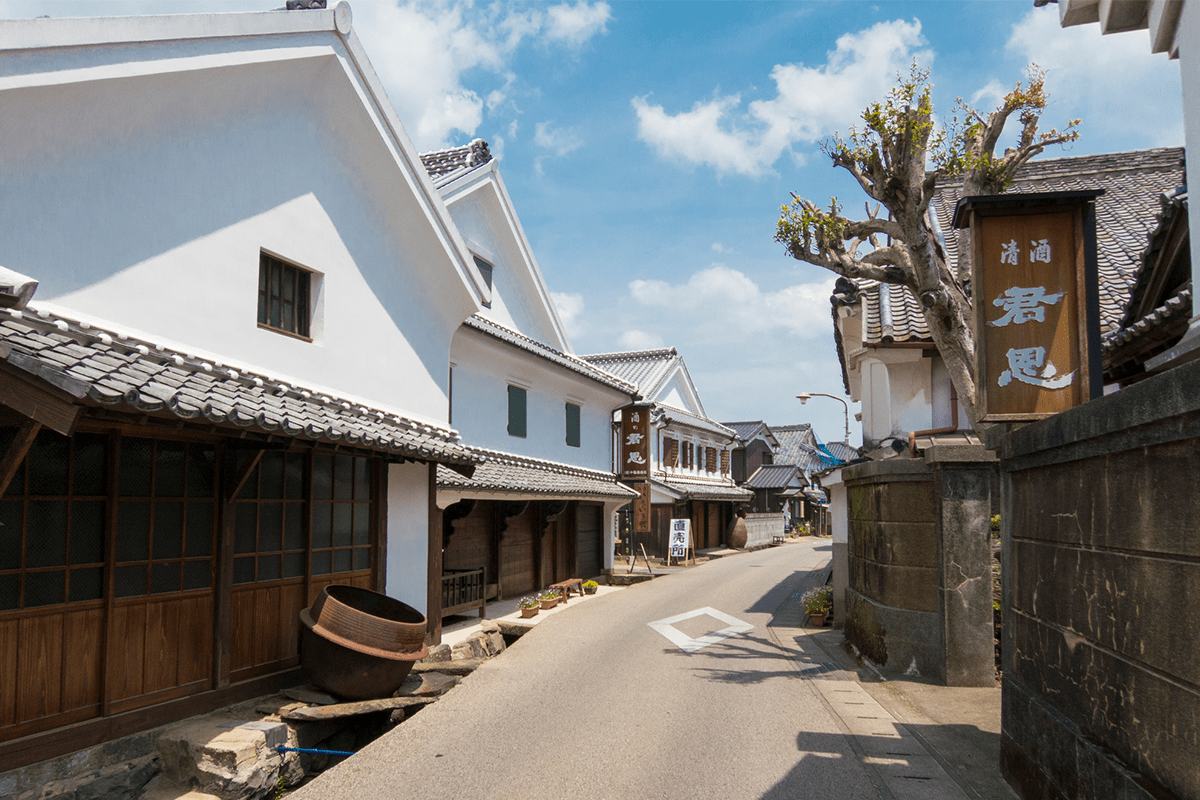
Stand in the center of this historic stone-paved path to capture the traditional white-walled storehouses and cedar balls hanging from eaves. This perspective provides the quintessential backdrop for your saijo sake tasting documentation.

Saijo Brewery Chimneys

Saijo Brewery Chimneys

Best light · Midday

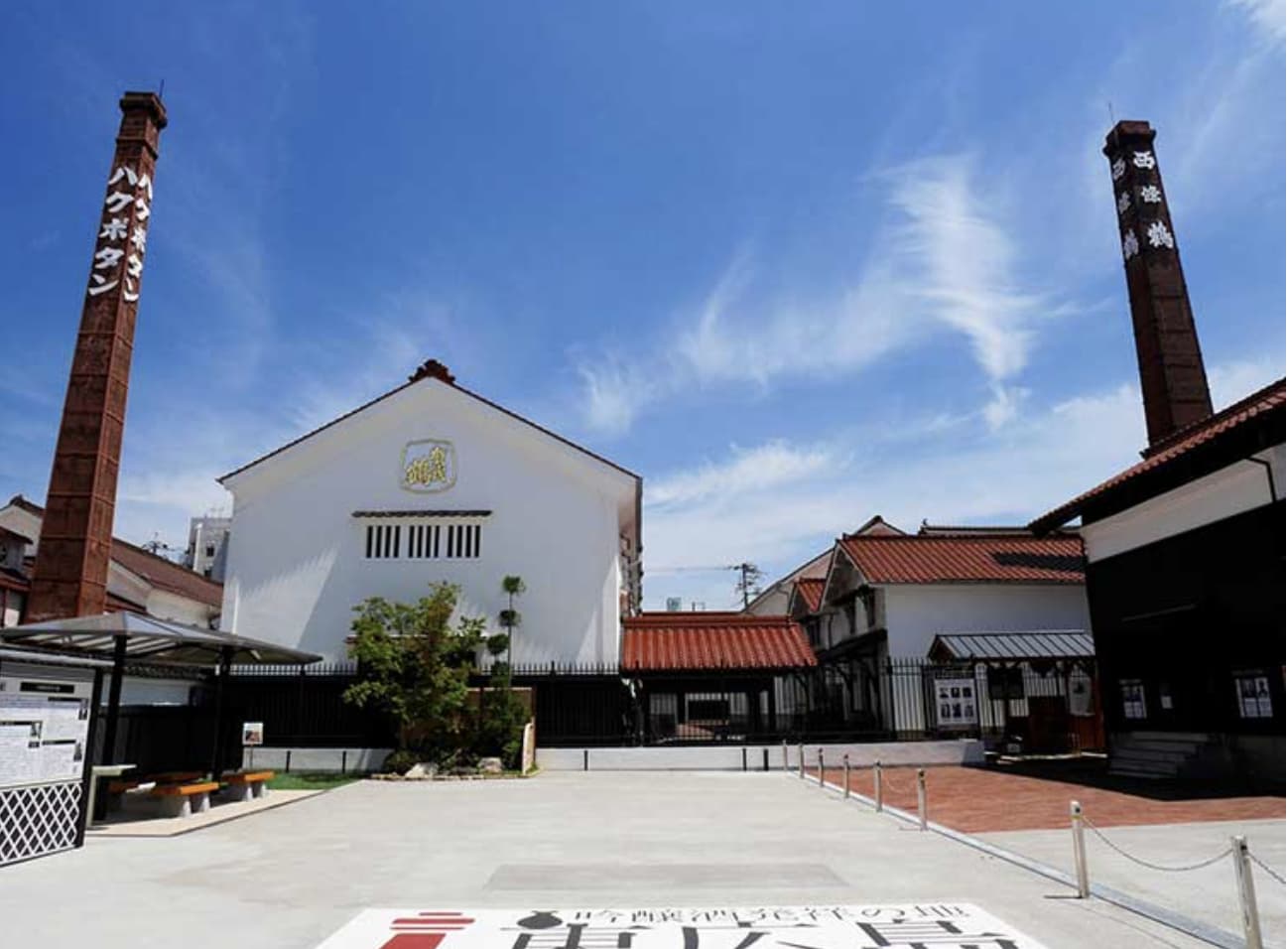
Position your camera at the intersection near the Hiroshima Kanko office to frame the towering red-brick smokestacks against the blue autumn sky. These iconic structures represent the industrial heritage of the area and are a focal point for those on saijo sake tasting tours.

Kamoizumi Brewery Entrance

Kamoizumi Brewery Entrance

Best light · Afternoon

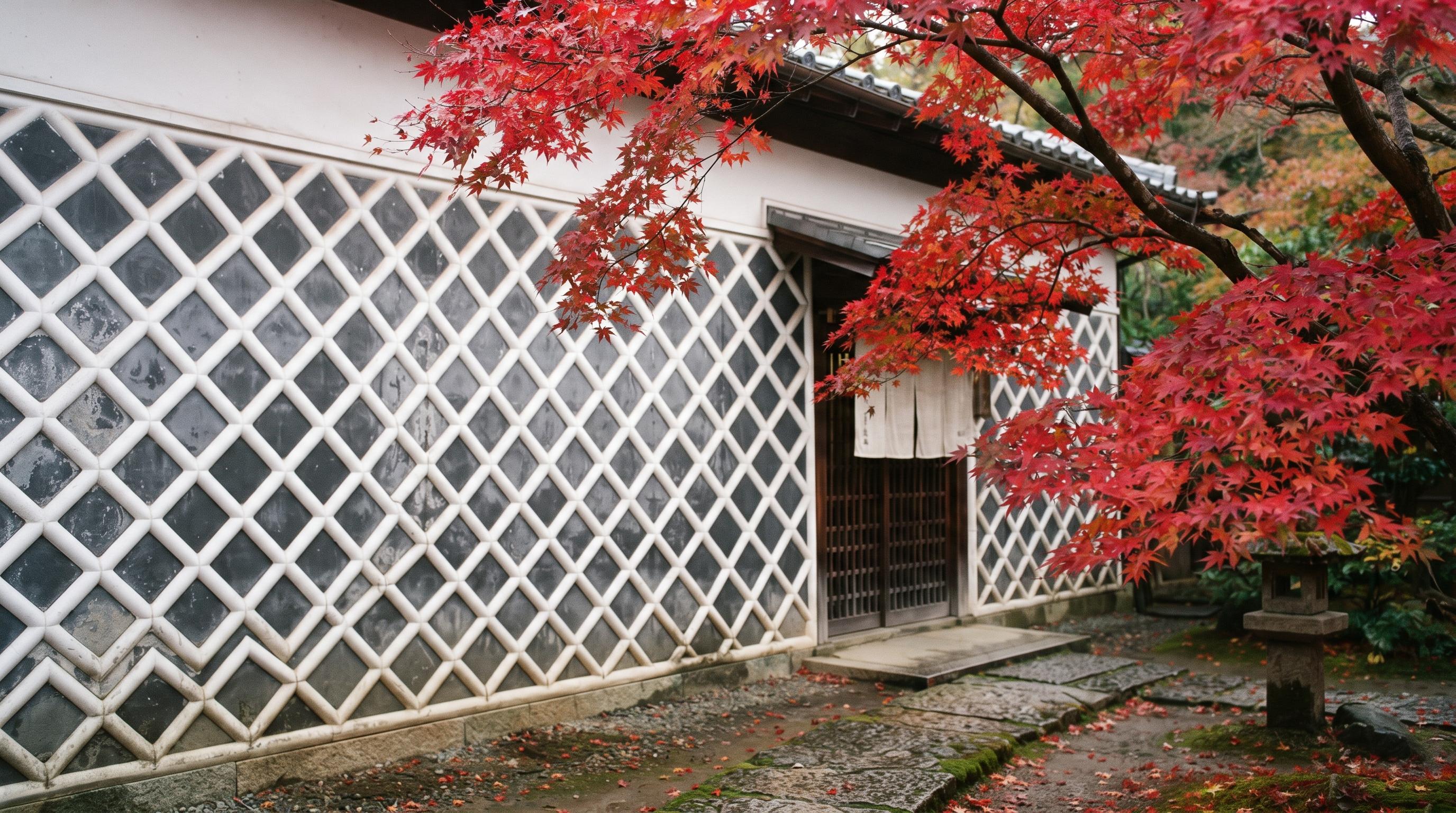
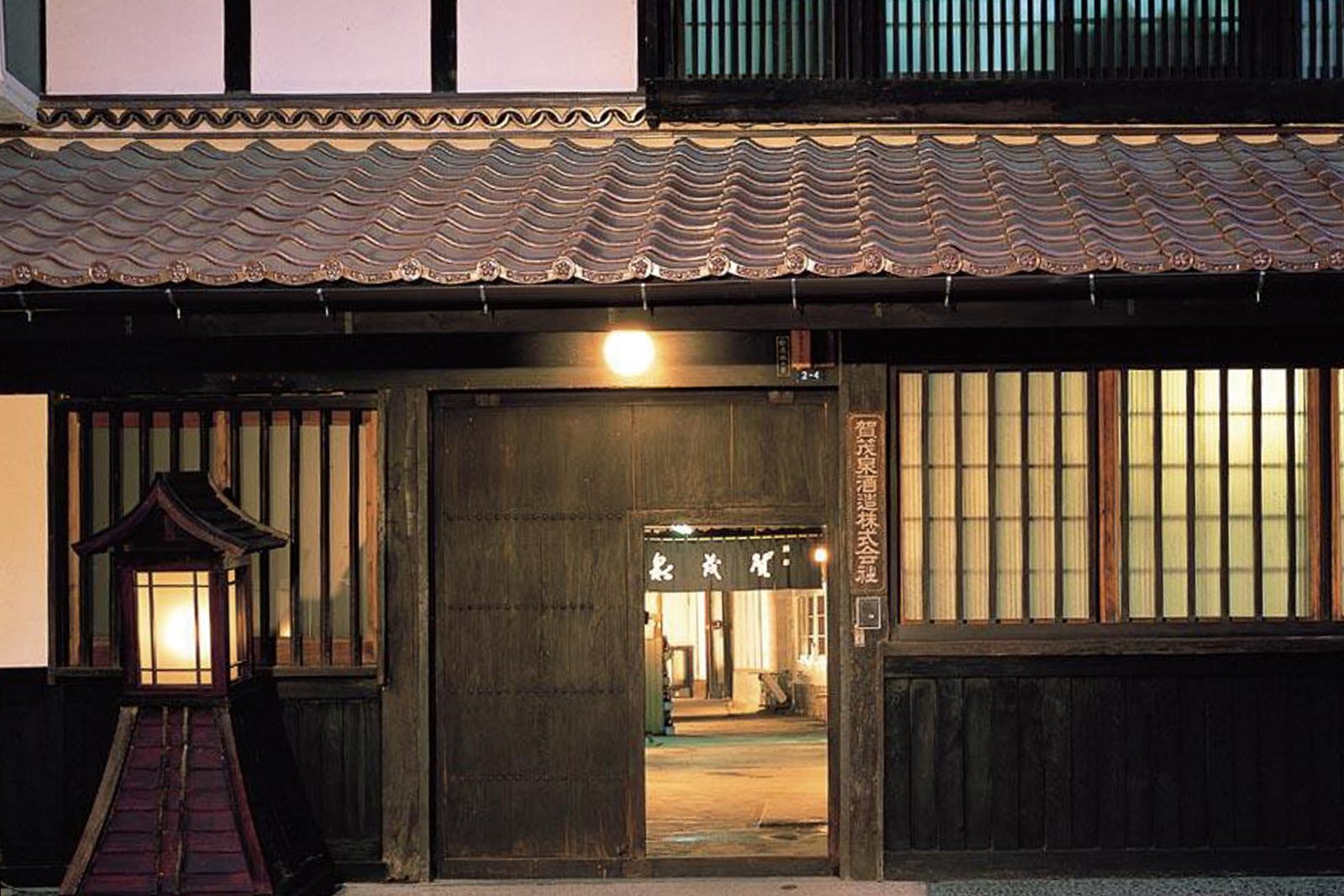
Capture the detailed wooden lattice and traditional noren curtains at this specific entrance, which is highly popular for close-up shots. It offers a refined glimpse into the atmosphere you will encounter when using your saijo sake tasting tickets.

Kamotsuru Sake Brewing Square

Best light · Late afternoon

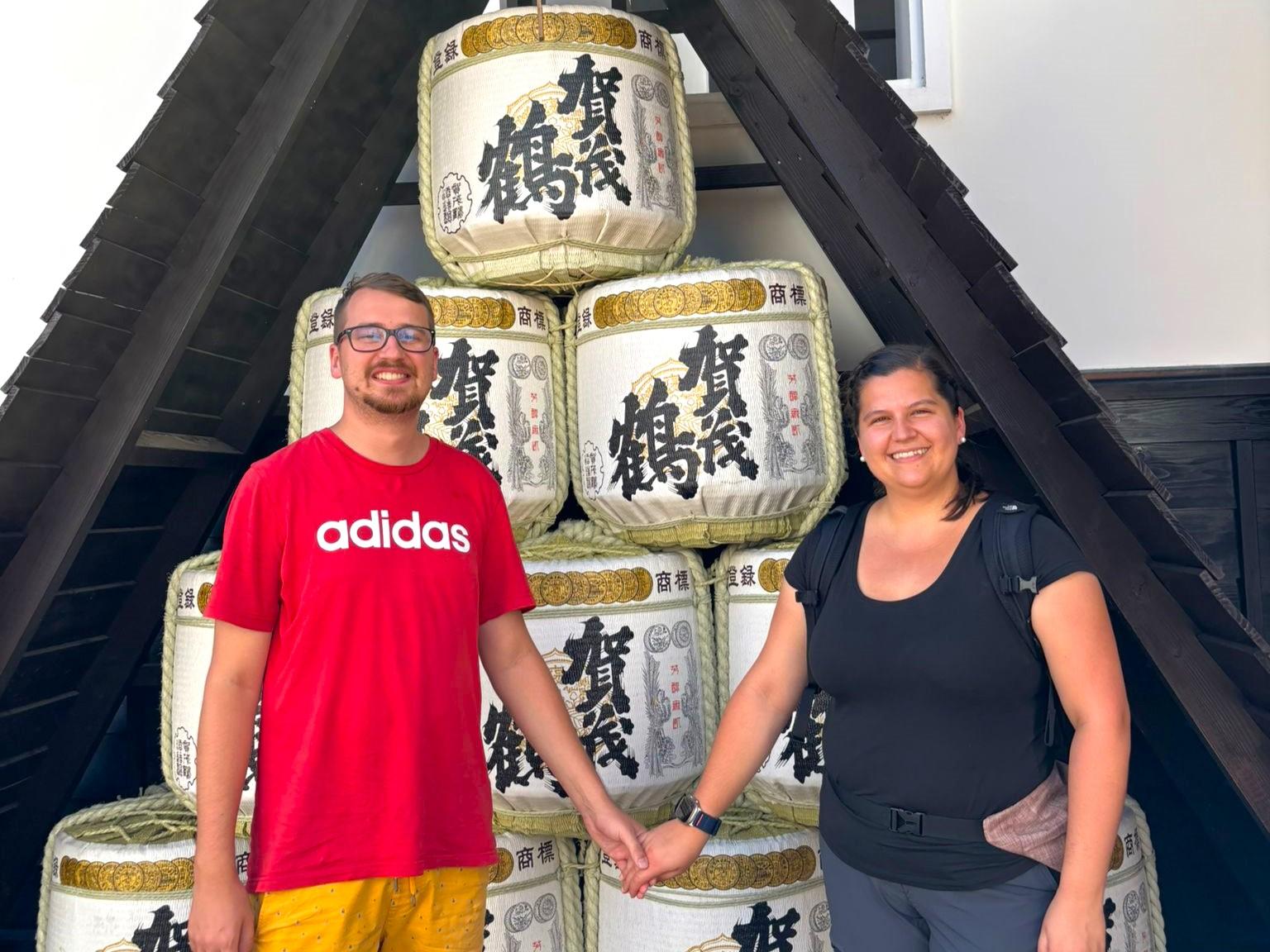
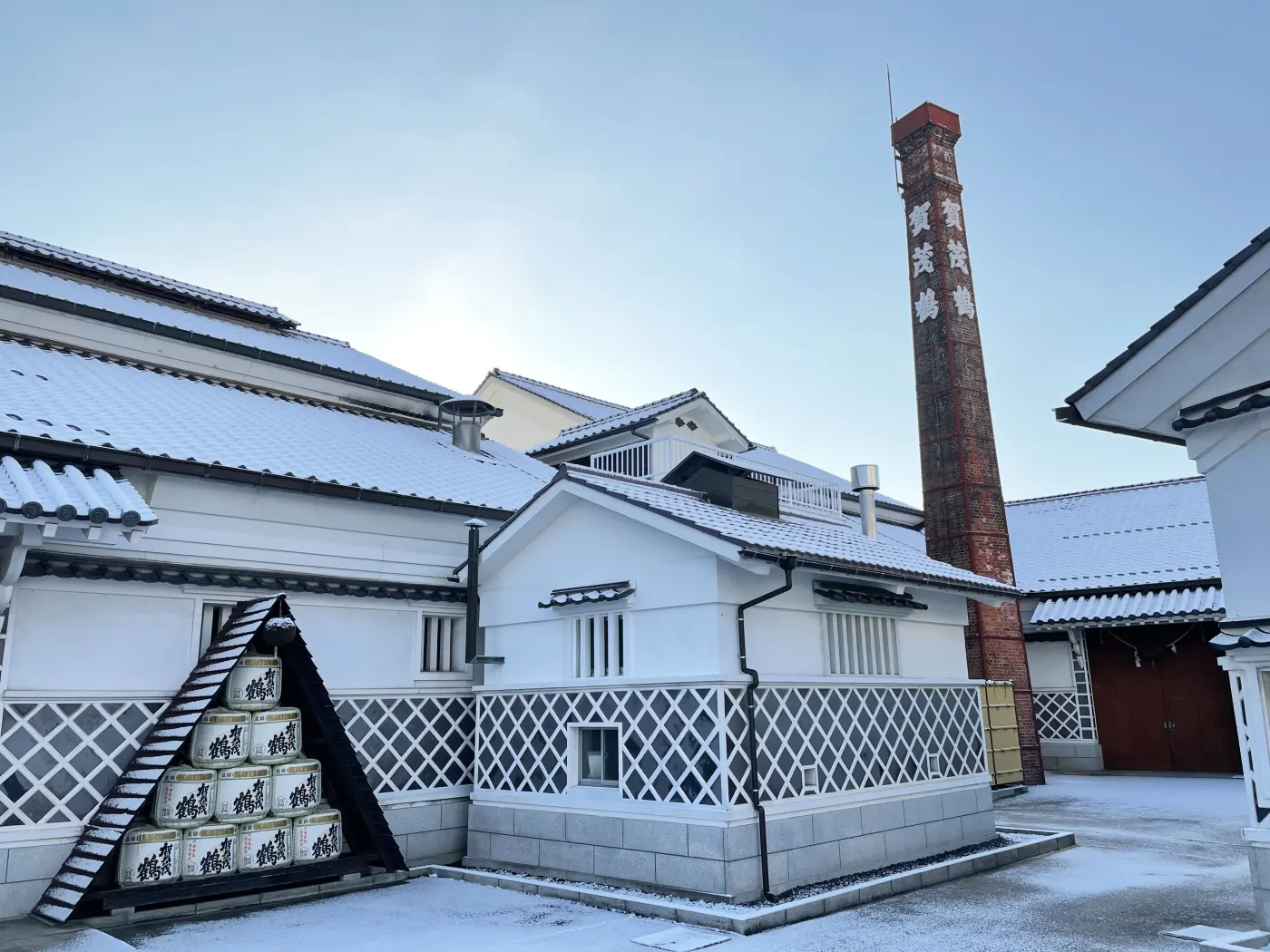
Frame the large cedar barrels and artisanal signage located in this open area to convey the scale of regional production. It serves as a visual anchor for any comprehensive saijo sake tasting tour.

Gallery

Moments from Saijo Sake Tasting

With kids

Visiting Saijo Sake Tasting with kids

Exploring the historic brewing area through a saijo sake tasting allows families to enjoy the unique architecture and local culture of Higashihiroshima. Parents will find the district's pedestrian-friendly streets ideal for leisurely walks while engaging in a traditional Japanese brewery tour experience.

Stroller Accessibility

The flat, paved streets of the historic district are generally stroller-friendly, though older brewery buildings may have small thresholds or steps at the entrance. Carrying a lightweight carrier is recommended for navigating the interiors of older facilities during your saijo sake tasting tours.

Facilities

Public restrooms with baby-changing tables are available near the main sightseeing areas, though they are not provided inside every individual brewery. Plan your saijo sake tasting tickets accordingly by checking the proximity of these facilities to the specific breweries on your list.

Best Ages

This destination is best suited for school-aged children and teenagers who can appreciate the industrial history and craft production process. Younger children may find the saijo sake tasting tour less engaging, so consider balancing the visit with outdoor time in the nearby park areas.

Pacing

The best arrival window is 10:00–16:00 to ensure you can visit multiple sites without rushing through the educational displays. Since the entrance fee is 0 JPY, you have the flexibility to adjust your pace and depart whenever your family needs a break.

Food & drink

Dining Near Your Saijo Sake Tasting Experience

Exploring the historic streets near your saijo sake tasting is best complemented by local eateries that feature regional ingredients. While brewery grounds focus on fermentation, numerous small shops and bistros within the district offer excellent pairings for those finishing their saijo sake tasting tours.

Kizuki

€€

Bistro — 3 min walk

This cozy spot specializes in dishes using local Hiroshima produce and sake-kasu, or sake lees, which pairs beautifully with regional pours. It is a popular choice for lunch after completing your saijo sake tasting tickets.

FAQ

Saijo Sake Tasting — frequently asked questions

Everything you need to know for your journey

Around the corner

More to see near Saijo Sake Tasting

Hiroshima University Museum

10 min

museum

Features exhibits on regional history and nature.

Saijo Chuo Park

5 min

park

A quiet space to rest between brewery stops.

Kamo Shrine

10 min

landmark

A historic site with significant cultural importance.

Where to stay

Where to stay near Saijo Sake Tasting

Hotel Van Cornet

5 min

mid-range

Conveniently located near the station for travelers.

Toyoko Inn

10 min

mid-range

Standard reliable accommodation for district visitors.

Ready for Adventure?

Join thousands of happy travelers who have discovered this incredible experience

Book Your Experience Now