2 hr
Saijo Sake District: 7-Brewery Tasting Experience
- Entry ticket
- Mobile voucher
- Valid same day
- Free cancellation
Saijo Sake Tour — Walk the Brewery District & Taste at Source
Seven breweries, white-brick chimneys, the soul of Japanese ginjo
Compare fares, pick the fit — all bookings are mobile-voucher and eligible for free cancellation where shown.
2 hr
3 hr
4 hr 35 min
| Experience | From | Duration | Rating | Guide | Small group | Free cancel. | Price | |
|---|---|---|---|---|---|---|---|---|
|
Standard Entry
Most popular
Saijo Sake District: 7-Brewery Tasting Experience
|
— | 2 hr | ★ 4.9 | ✓ | ✓ | ✓ | $79 | Book → |
|
Standard Entry
Saijo Sake Brewing District Tour from Hiroshima
|
Hiroshima | 3 hr | ★ 5.0 | ✓ | ✓ | ✓ | €65 | Book → |
|
Standard Entry
Saijo Sake Discovery: Brewery Tours & Tastings
|
— | 4 hr 35 min | ★ 5.0 | ✓ | ✓ | ✓ | €85 | Book → |
Hand-picked experiences loved by thousands of travelers
2.5 hours
Free Cancellation
Discover one of Japan's most celebrated sake regions through brewery visits, tastings, and historic streets
3 hours
Free Cancellation
Explore Hiroshima's premier sake-brewing district with guided brewery visits, tastings, and traditional cuisine
30 minutes
Free Cancellation
Master the art of Japanese sake customs through hands-on practice and taste three local varieties
8 hours
Free Cancellation
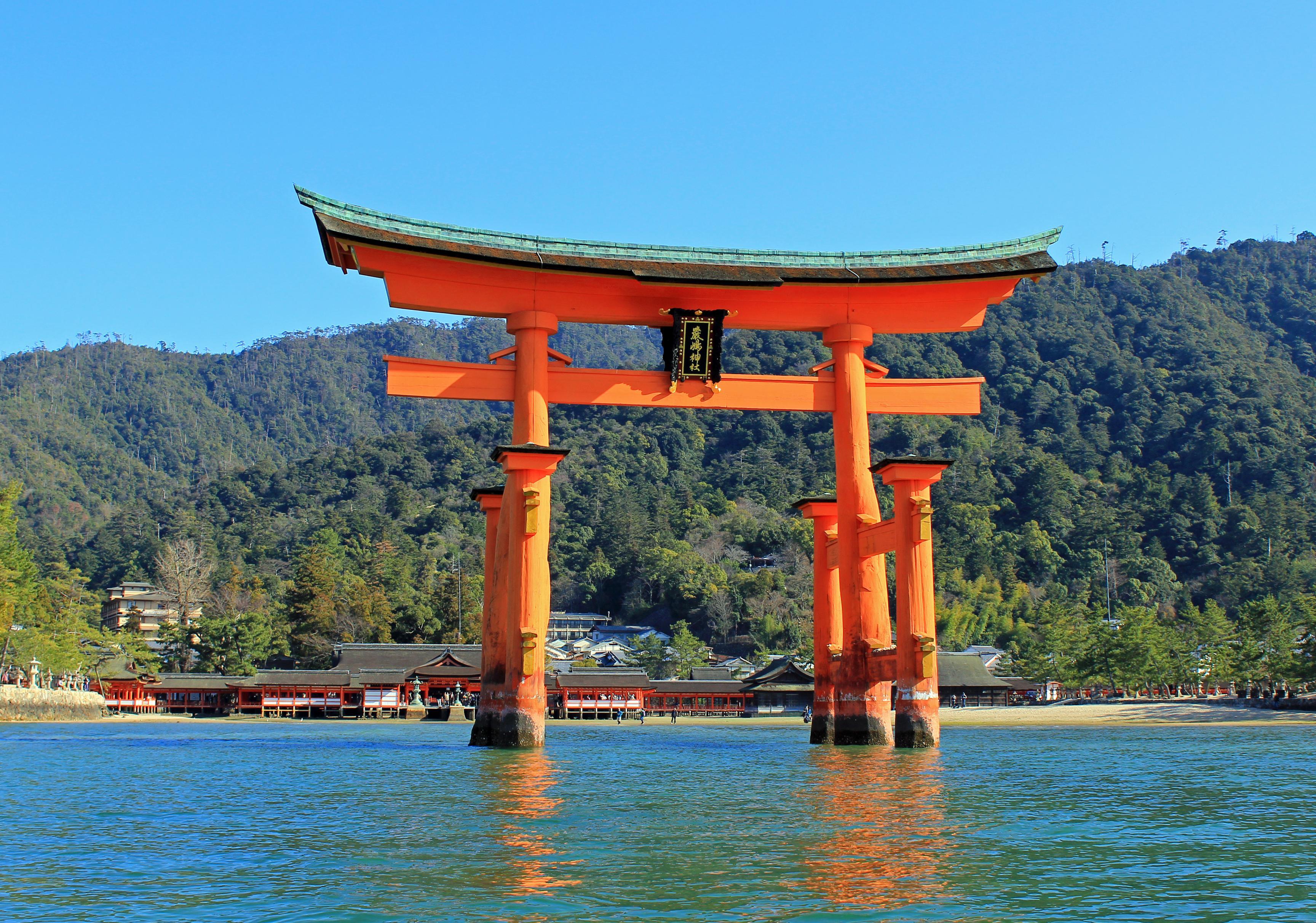
Discover two World Heritage Sites in one day: the Peace Memorial and the iconic floating torii gate
6 hours
Free Cancellation
Discover two World Heritage Sites in one day with a knowledgeable local guide on this relaxed 6-hour journey
2.5 hours
Free Cancellation
Discover the historical context behind one of WWII's most significant events through three pivotal sites
6.5 hours
Free Cancellation
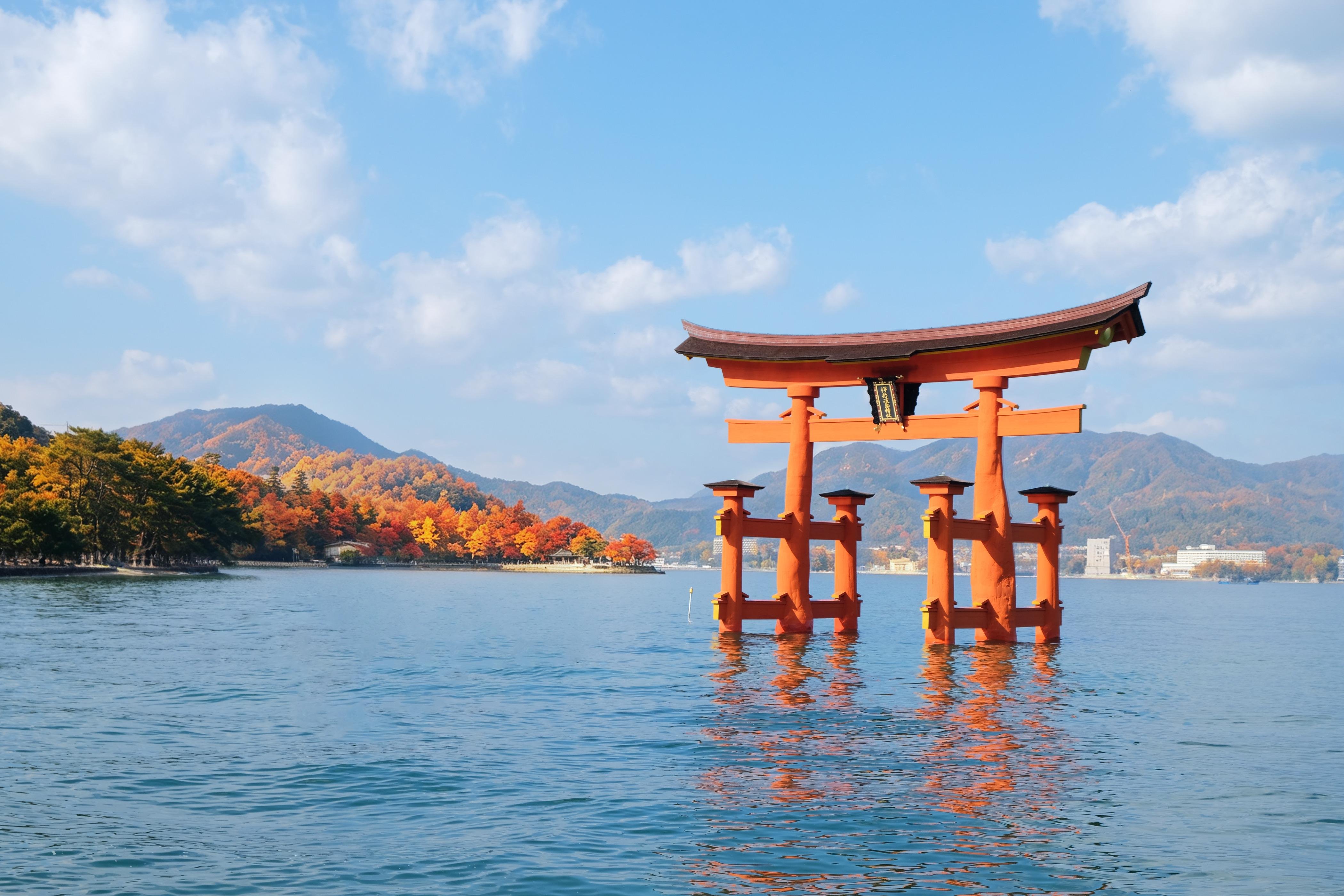
Experience two World Heritage Sites in one day: sacred Miyajima Island and Hiroshima's Peace Memorial
4-6 hours
Free Cancellation
Discover Japan's sacred island with a local guide, including shrine visits, deer encounters, and regional tastings
Home to famous Daiginjo sake and historic storehouses, this site was a key location for G7 summit toasts.
One of the oldest breweries in the district, known for its traditional wooden architecture and long history in Saijo.
Renowned for small-batch, handcrafted sake production, this brewery features a charming tasting room for visitors.
Features a unique mix of modern brewing innovation and historic storehouse aesthetics, perfect for photography.
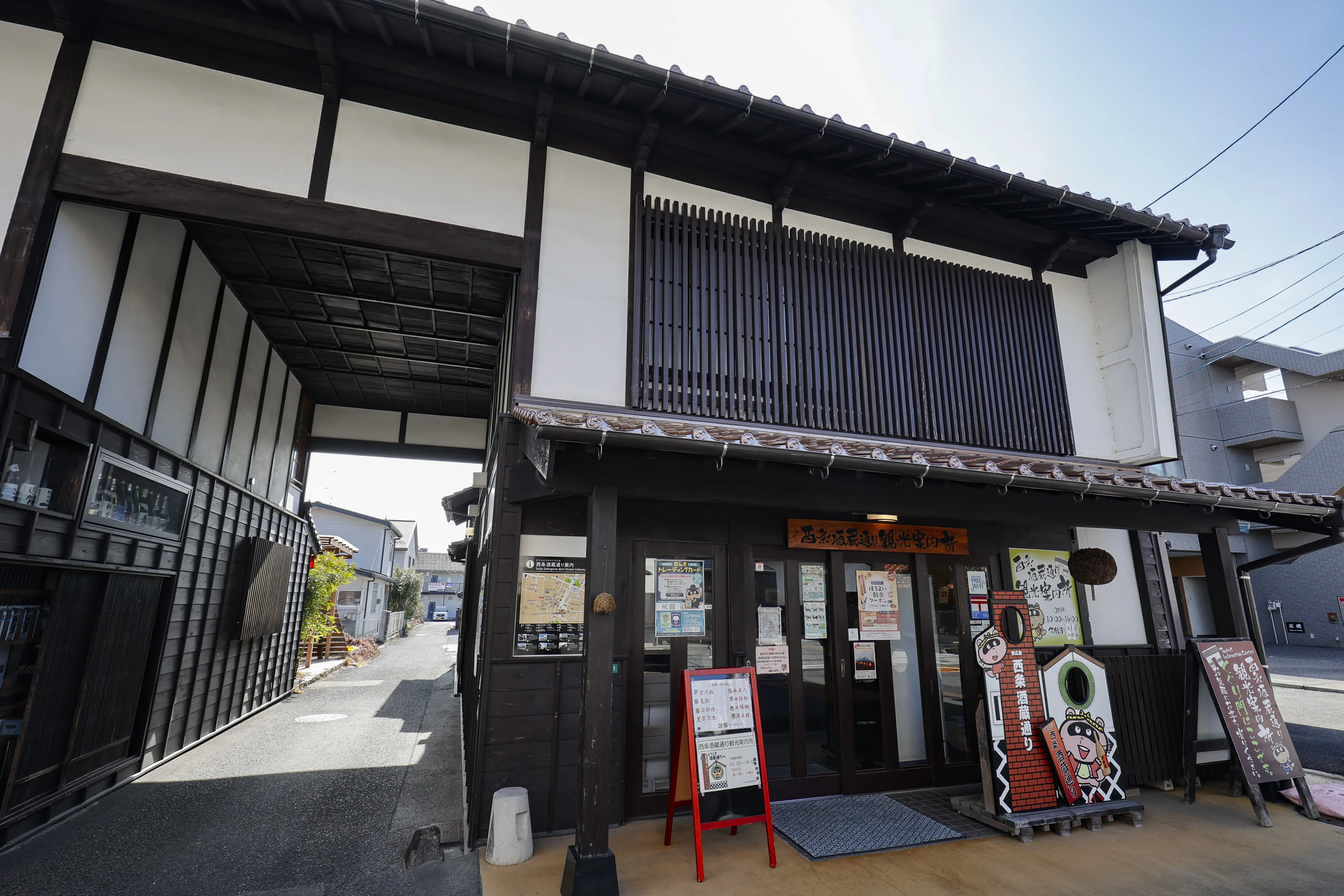
Located in a historic gatehouse, it serves as the essential starting point for your sake exploration.
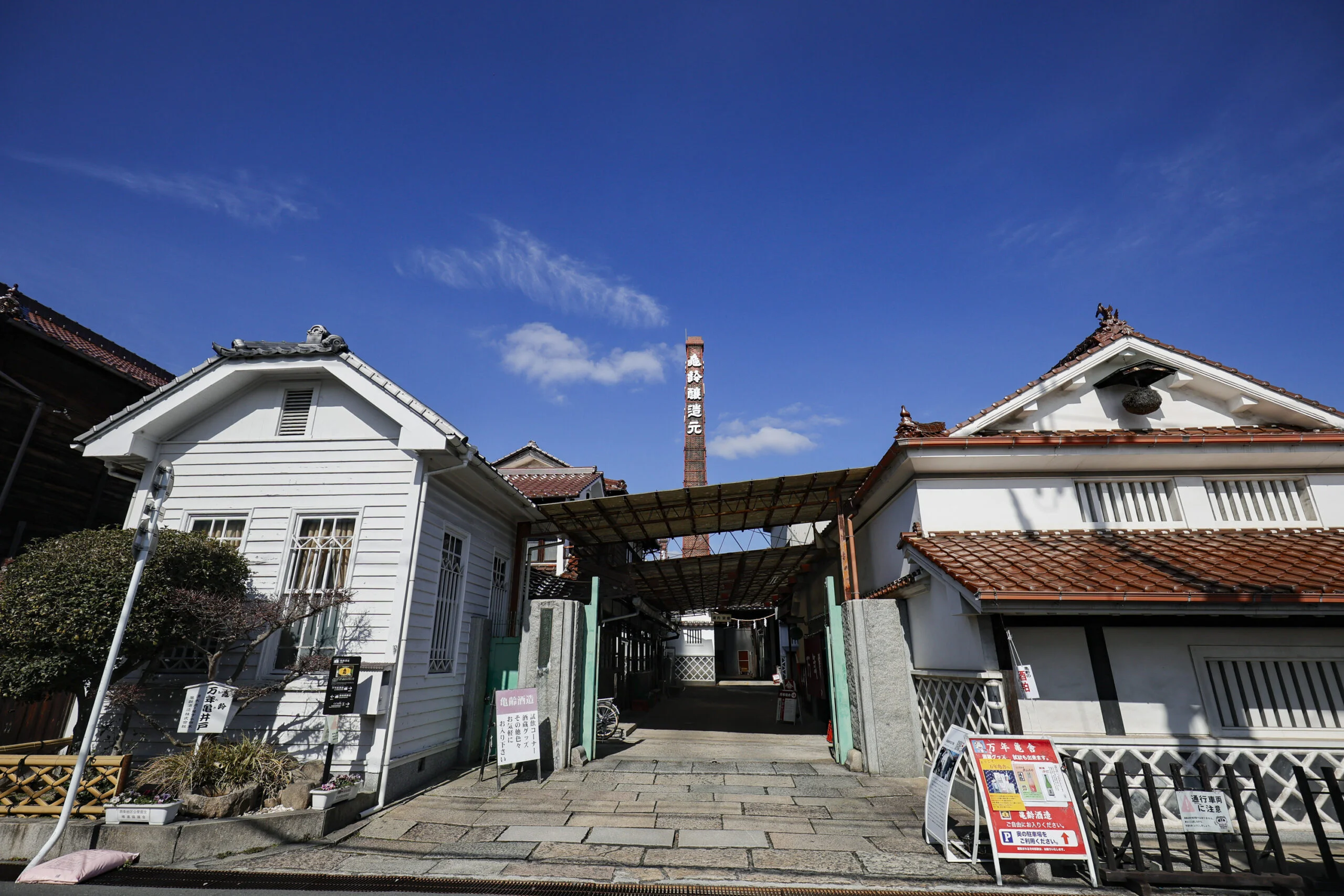
You step off the platform at Saijo Station and the white chimneys are already visible, rising above tile roofs two blocks north. The walk begins at the tourist information center, where you collect a district map marking all seven breweries and their tasting hours.
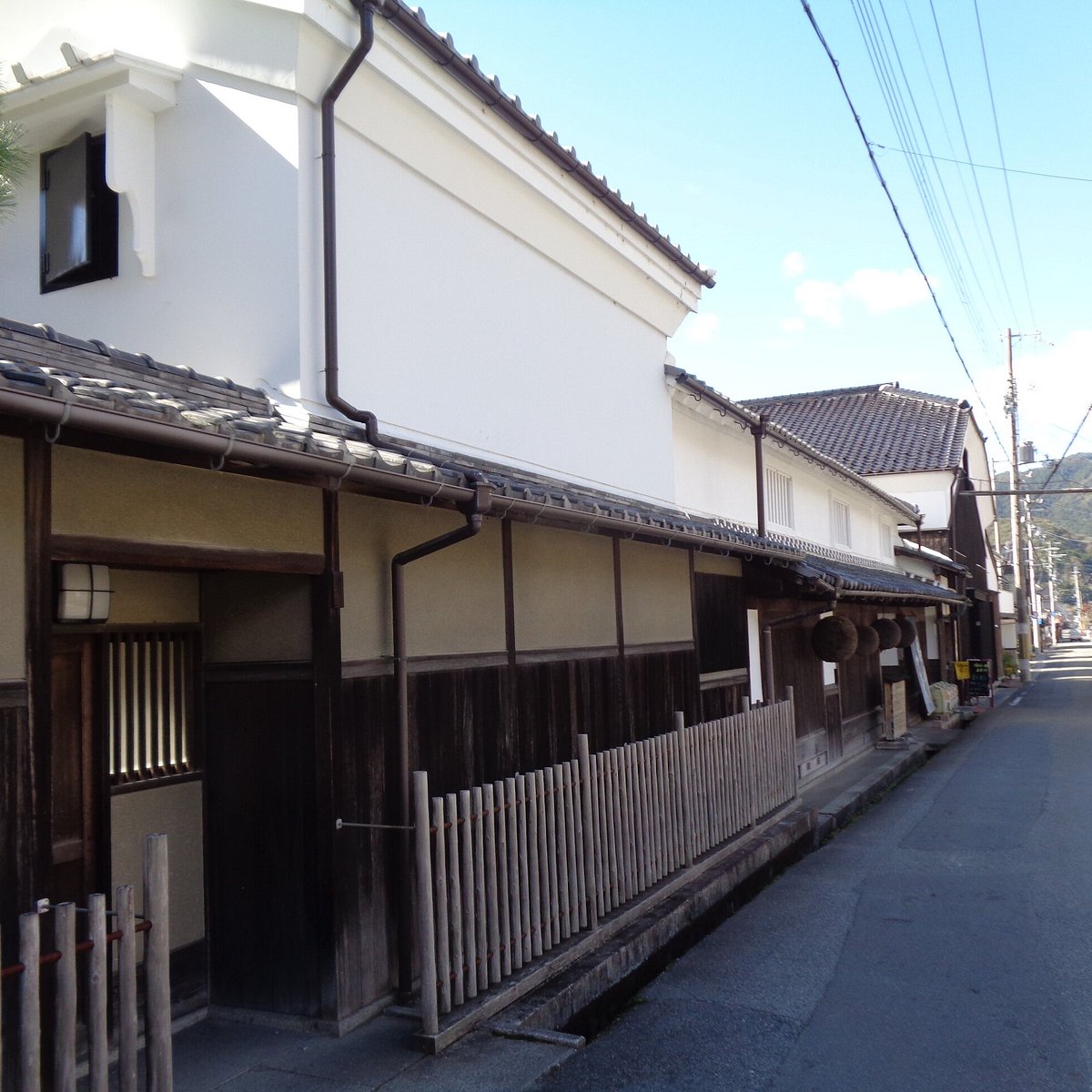
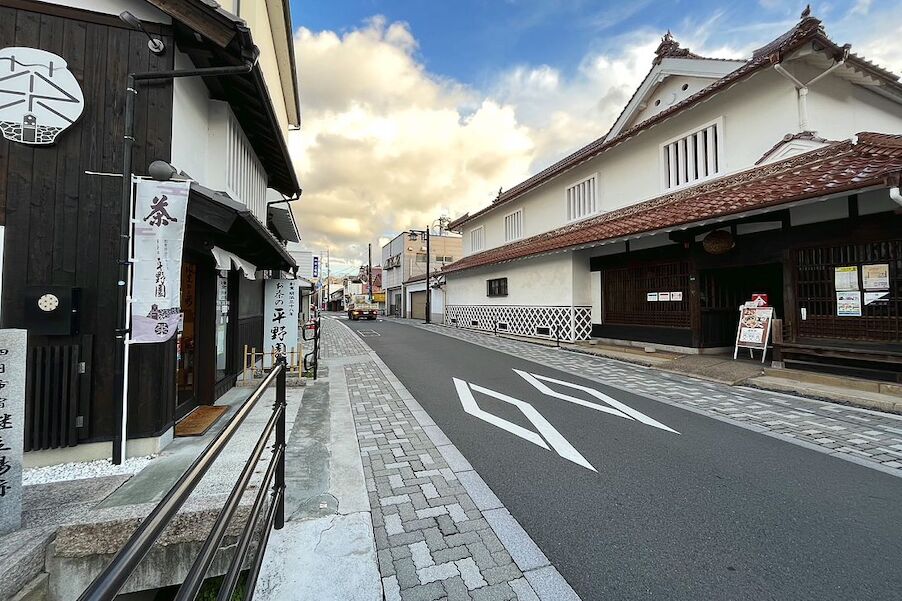
Sakaagura Dori runs straight and narrow, its cobbled margins edged with stone channels that once carried brewing water.
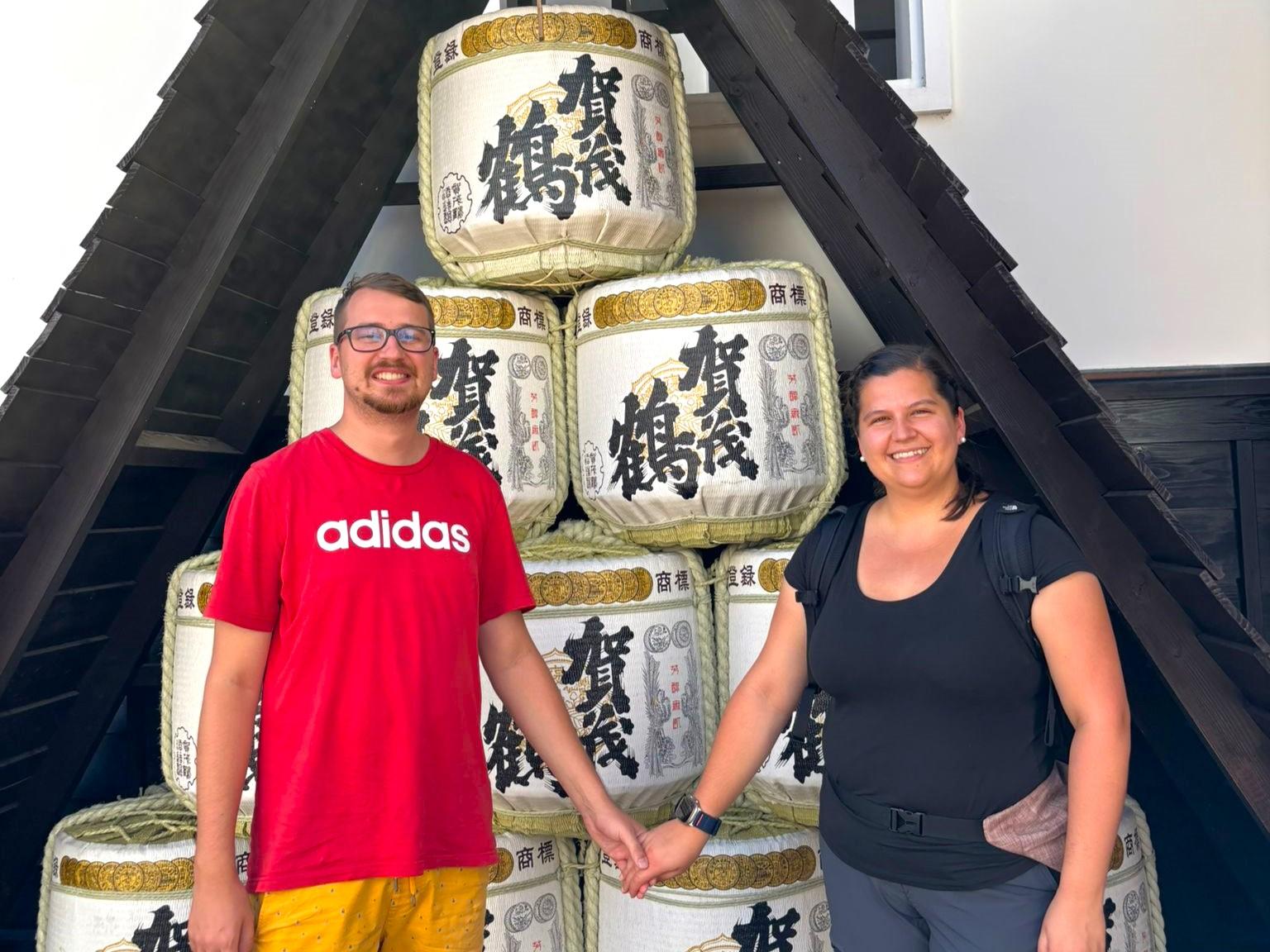
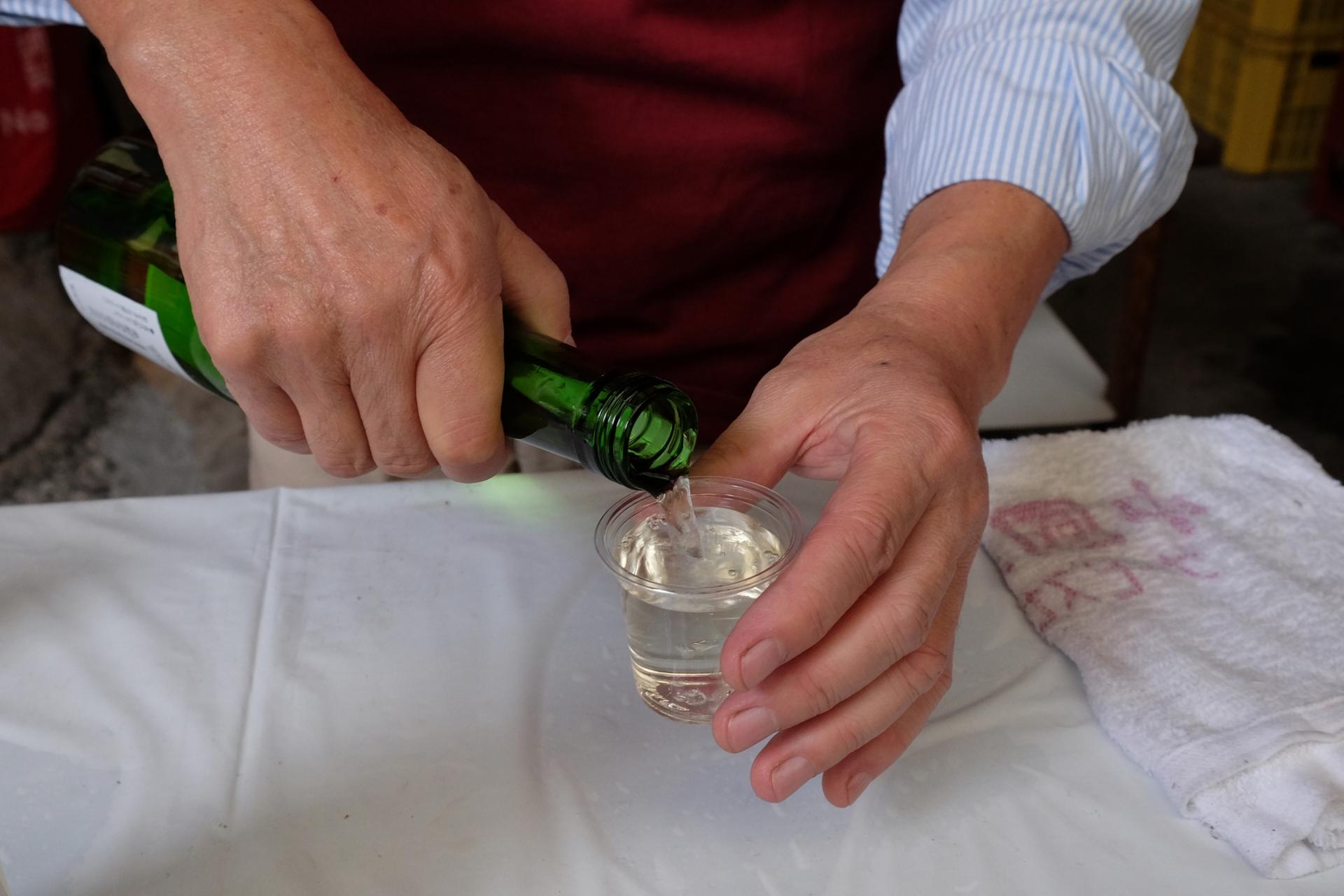
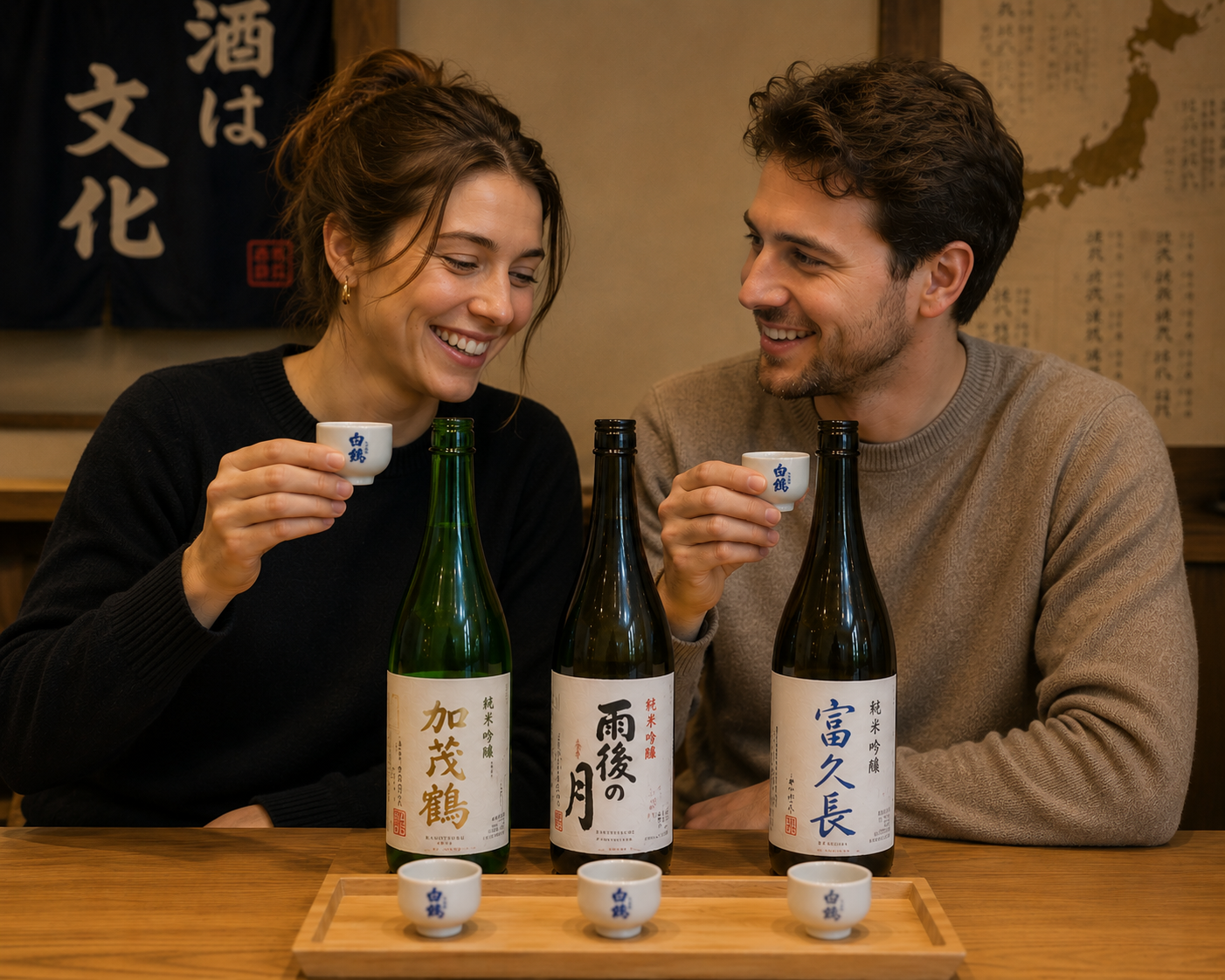
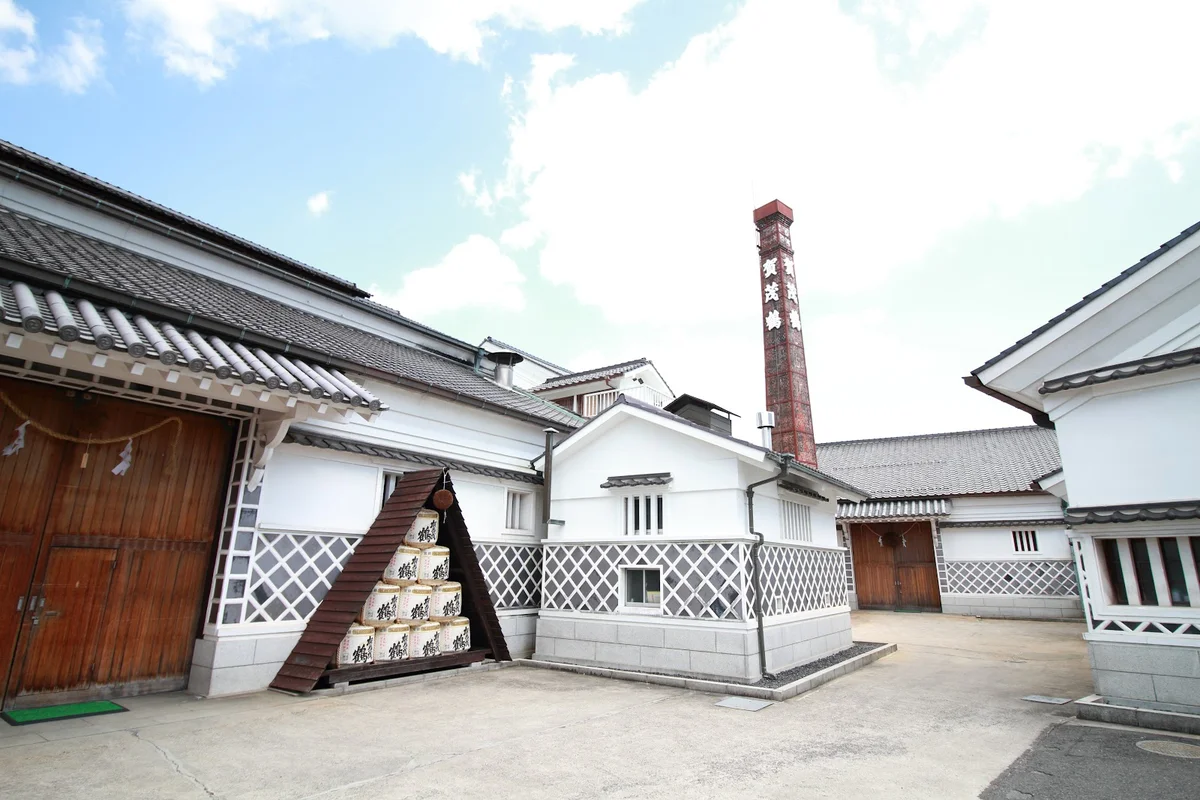
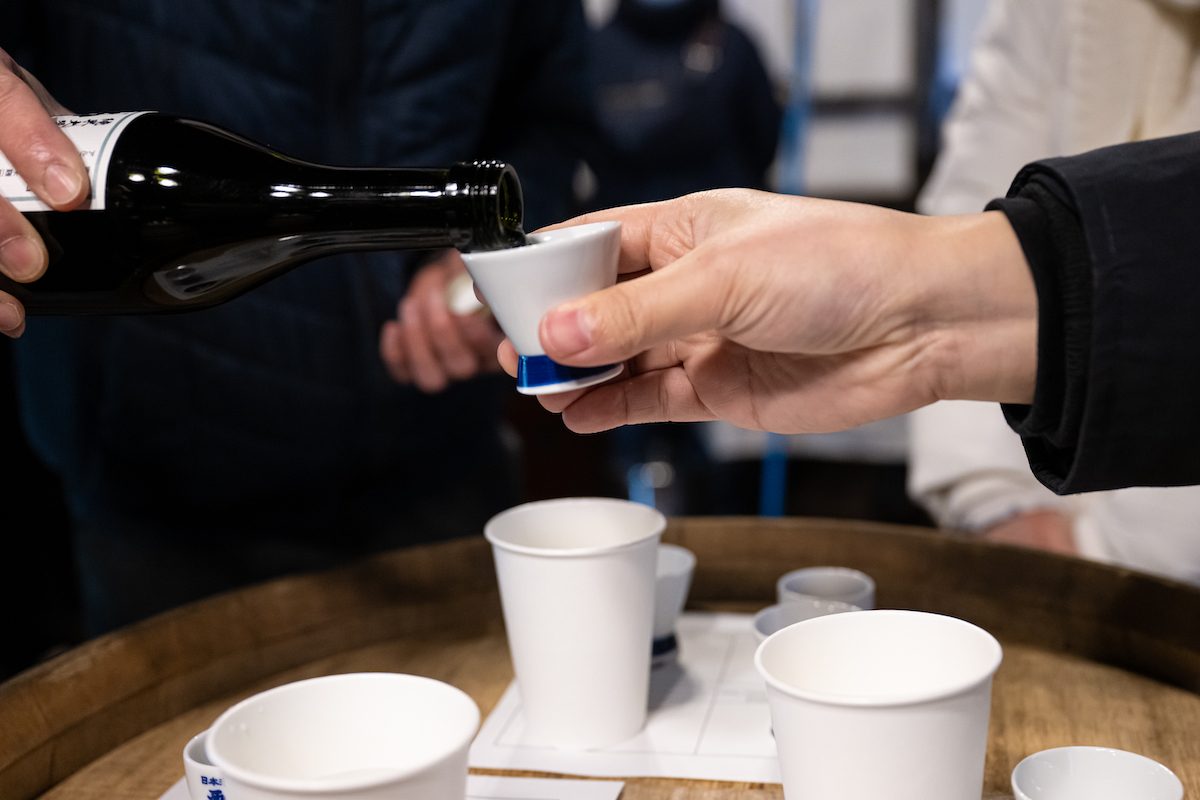
You enter Kamotsuru first. The retail counter occupies the ground floor of a kura built in 1898, its walls a meter thick. A staff member pours three samples — junmai, ginjo, daiginjo — and you taste the progression from round and earthy to clean and floral. The daiginjo, polished to 40 percent, finishes with a phantom sweetness that evaporates before you can name it.
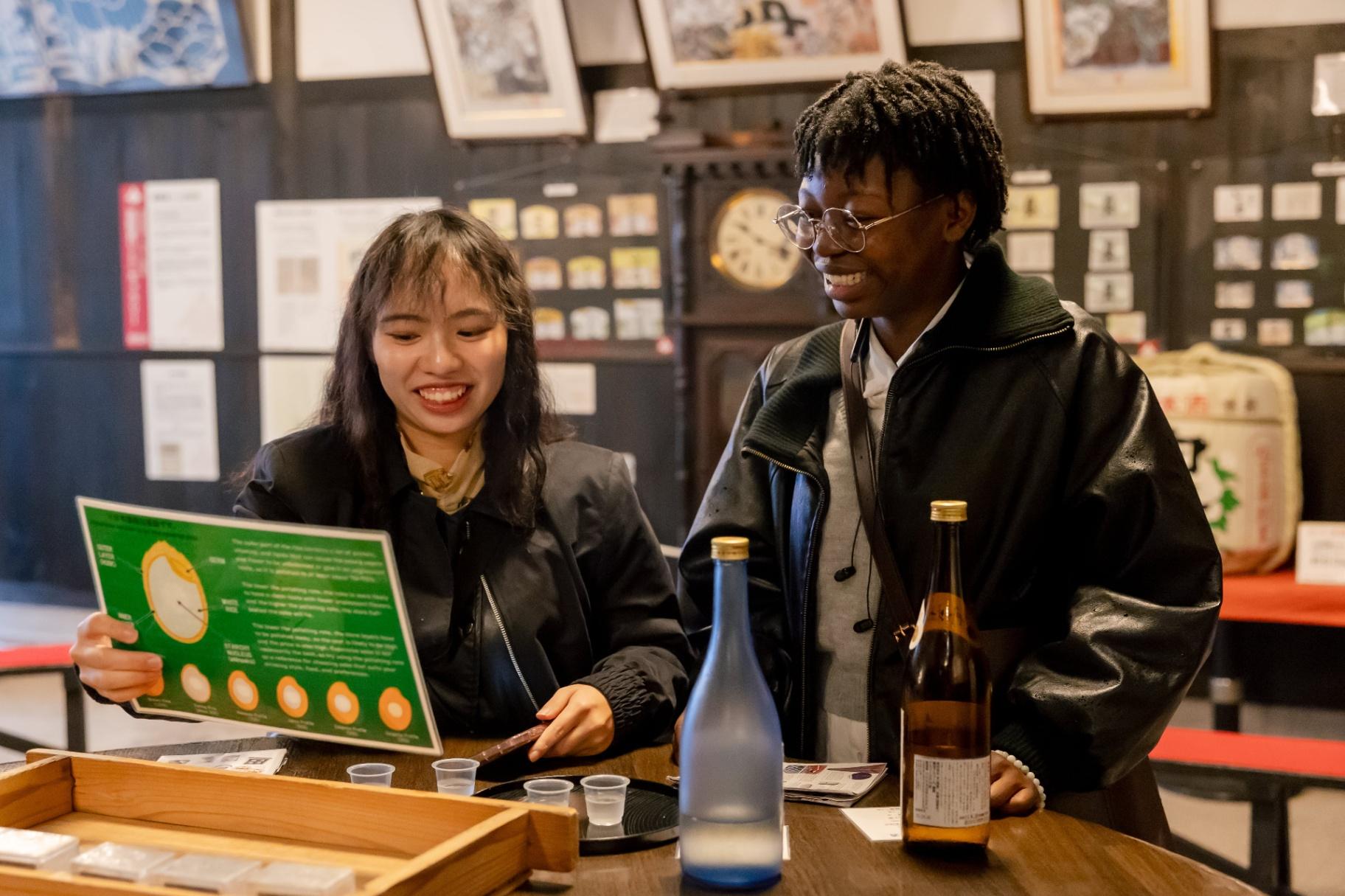
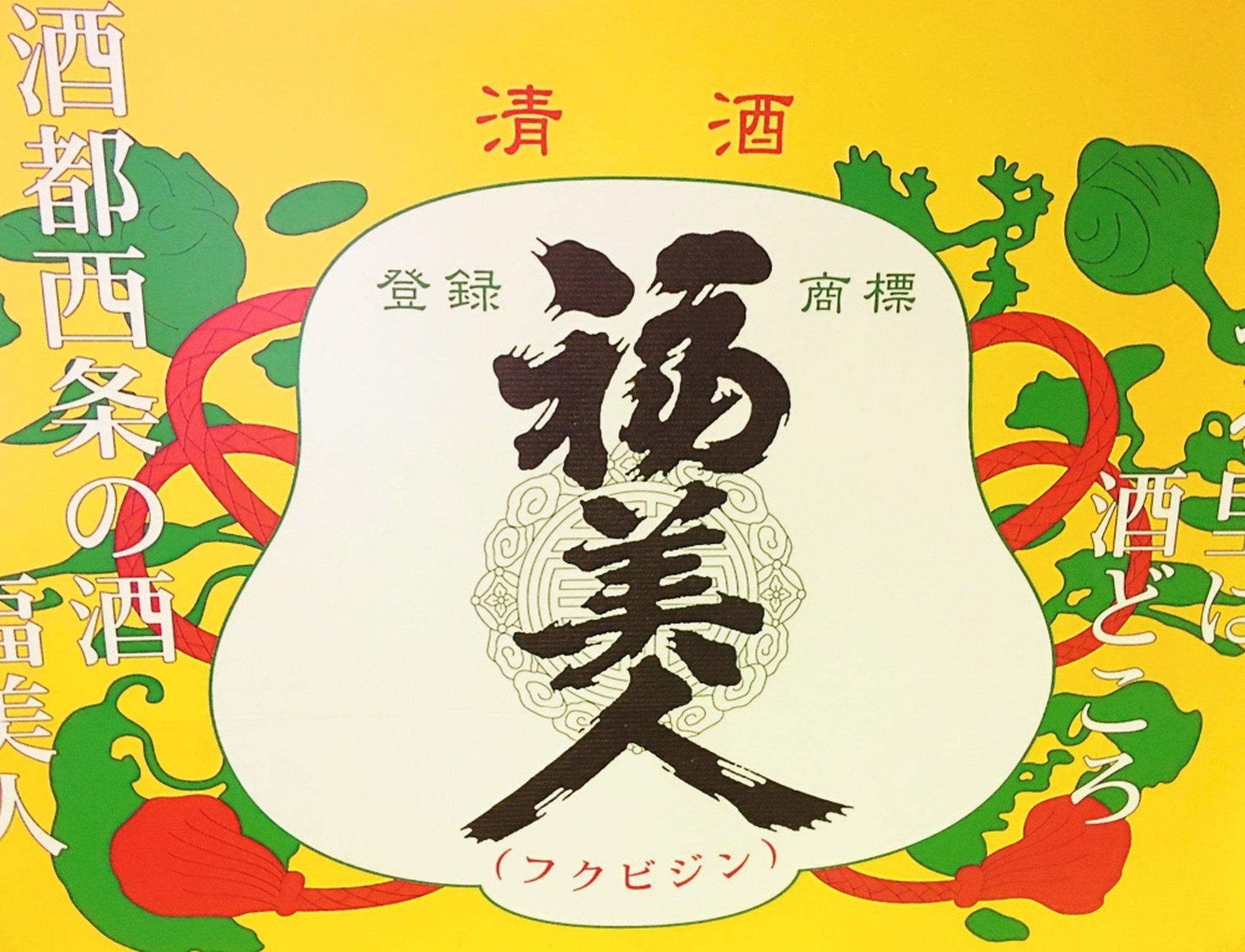
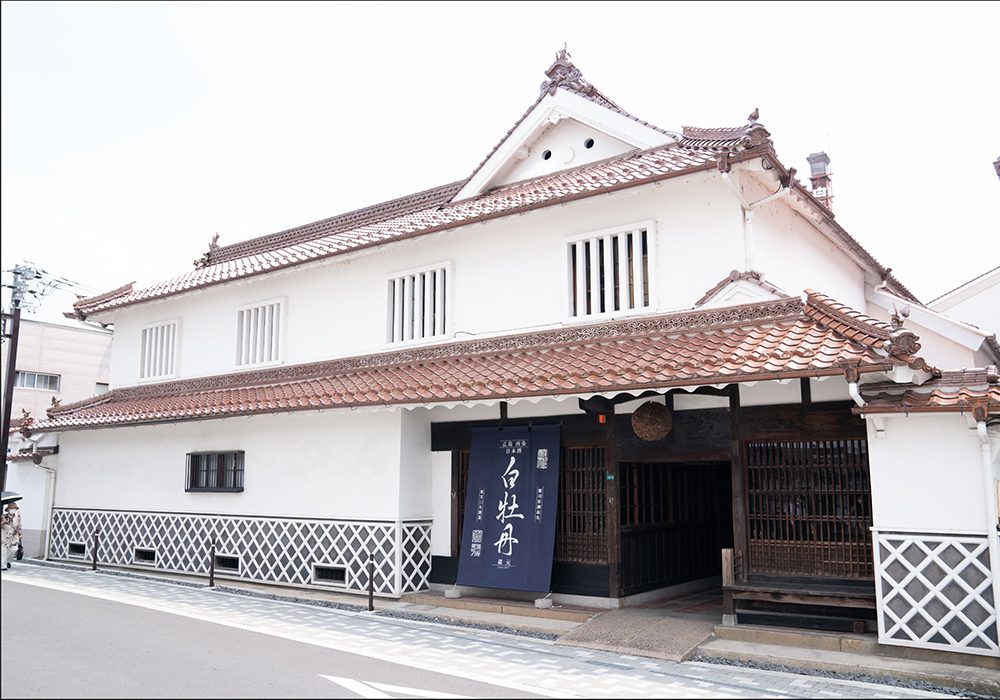
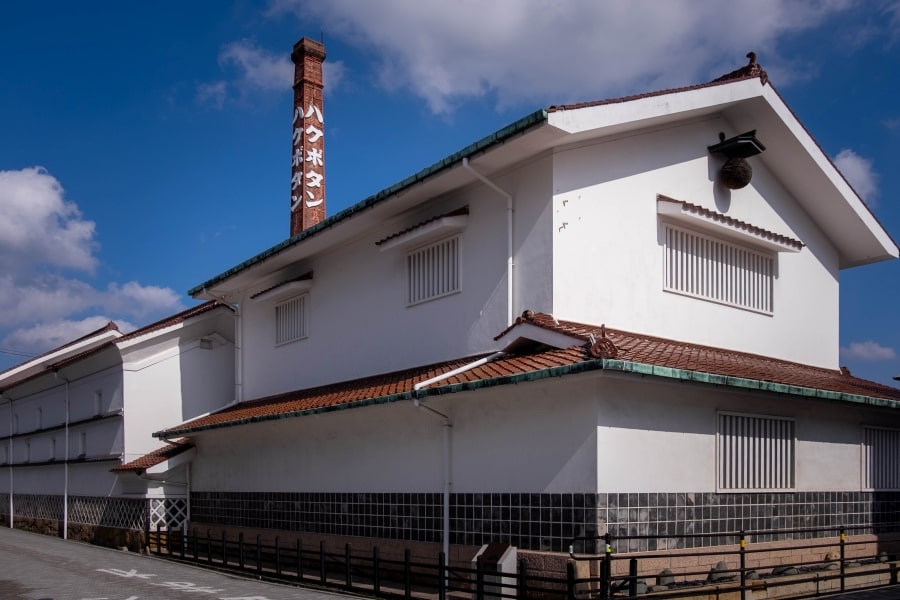
Two buildings down, Hakubotan's museum displays wooden koji trays and a wall of antique labels. You pay 500 yen for a tasting set and the curator adds a fourth sample, yamahai, its lactic tang a deliberate departure from the ginjo orthodoxy next door. By your third brewery the distinctions sharpen: Saijotsuru's house style leans dry, Fukubijin emphasizes umami, Kamoizumi experiments with aged koshu that tastes of caramel and soy.
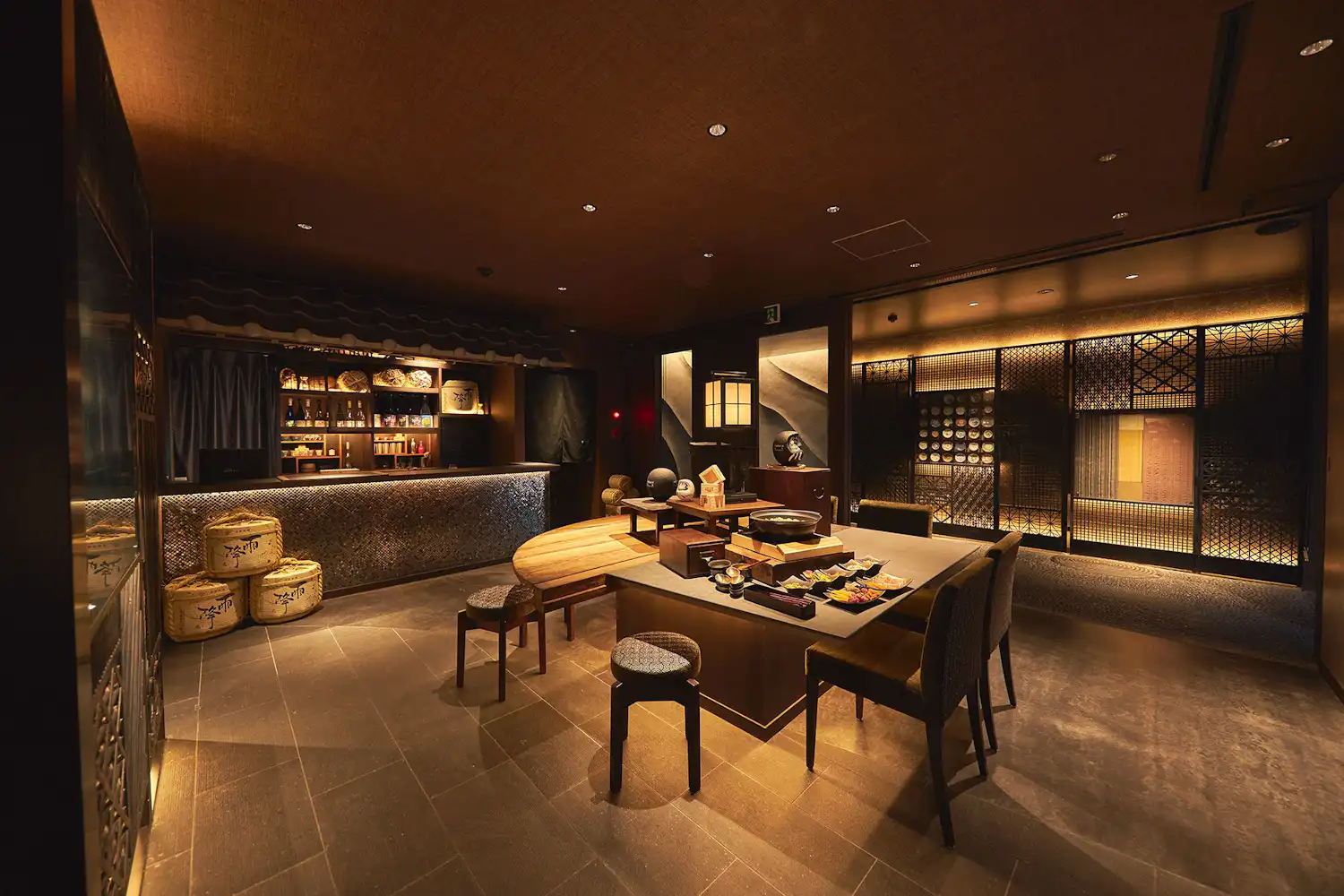
You finish at the sake plaza, a collective tasting room where all seven breweries pour side by side. The plaza closes at 16:00, and by mid-afternoon the counter is lined with locals and travelers comparing notes in four languages, the common grammar of fermentation erasing everything else.
All the details about your upcoming adventure in one place
Explore one of Japan's premier sake-producing districts on a saijo sake tour that takes you inside traditional breweries along the famed Sakagura-dōri street. Sample award-winning brews, learn fermentation techniques from tōji master brewers, and discover the soft underground water that makes Saijo sake tours a pilgrimage for Japanese rice wine enthusiasts. Book your saijo sake tour tickets to experience tasting flights, cedar-ball signage, and centuries-old kura warehouses in Hiroshima's brewing heartland.
In 1650, a Zen monk discovered that Saijo's groundwater mirrored Nada's legendary mineral balance, launching three centuries of craft brewing in what would become Japan's most concentrated sake district.
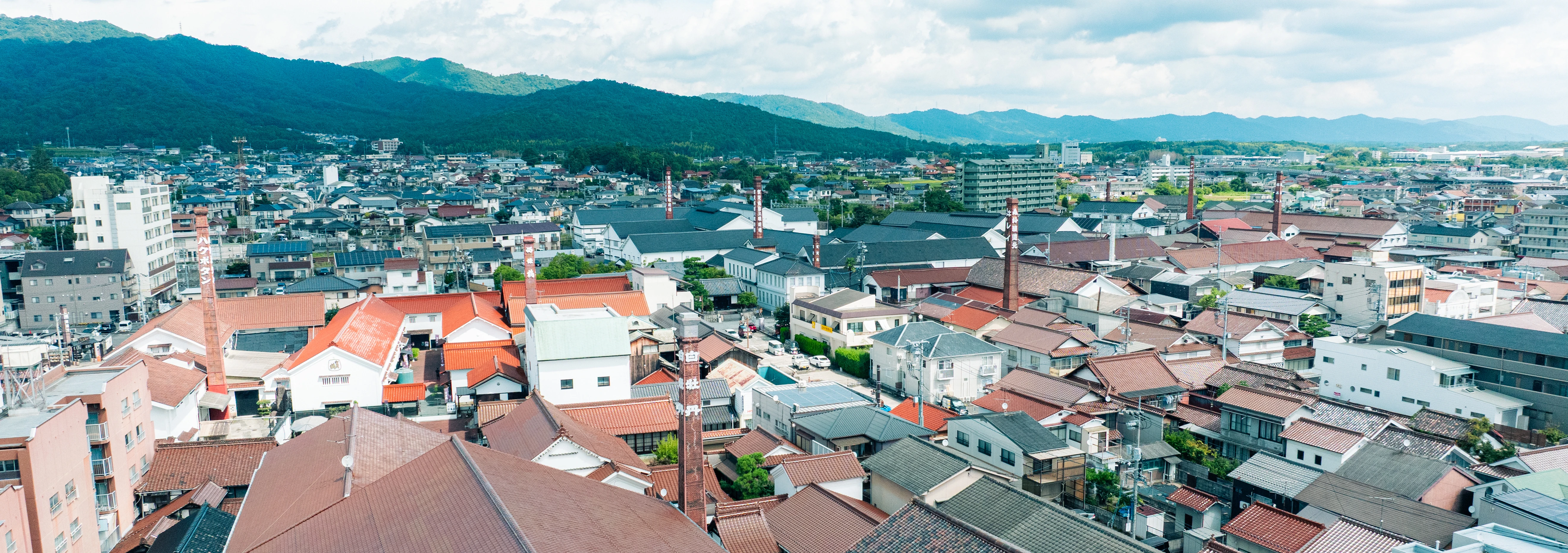
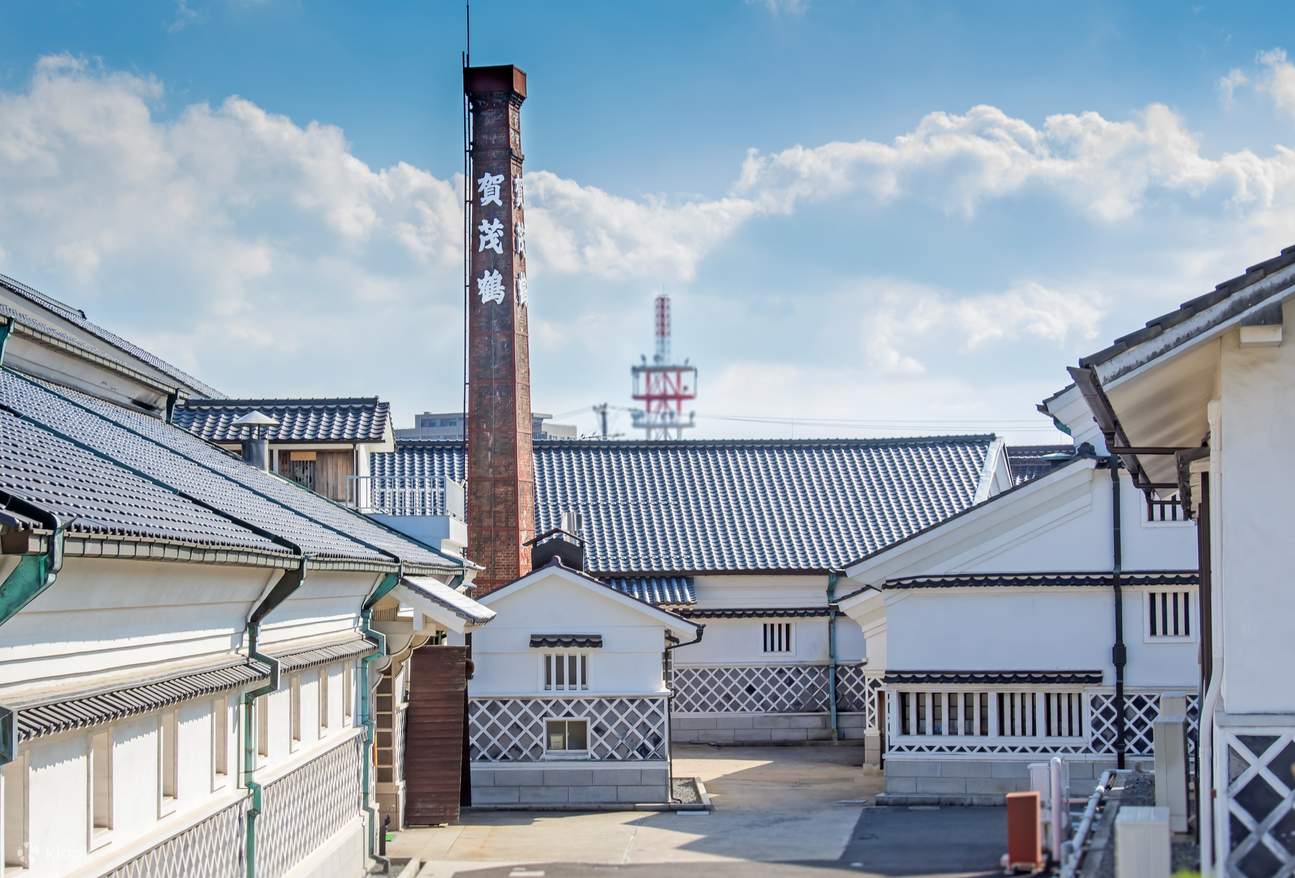
By the Meiji era, seven breweries clustered along a single avenue — now Sakaagura Dori — their red-brick chimneys and white-walled kura forming a streetscape that survives largely intact. The district produces more than 60 sake labels annually, many under the ginjo classification that defines modern premium brewing.
Today Saijo anchors Higashihiroshima's identity as one of Japan's three great sake cities, alongside Kyoto's Fushimi and Hyogo's Nada. The breweries open their retail shops and tasting counters to the public year-round, a rare transparency in an industry historically closed to outsiders. Kamotsuru, founded in 1873, pioneered daiginjo polish ratios and supplied the Imperial Household; Hakubotan perfected yamahai fermentation; Saijotsuru runs Japan's only sake museum inside an active brewery. Each operates within sight of the next, making Saijo the only district where visitors can compare house styles on foot in a single morning.
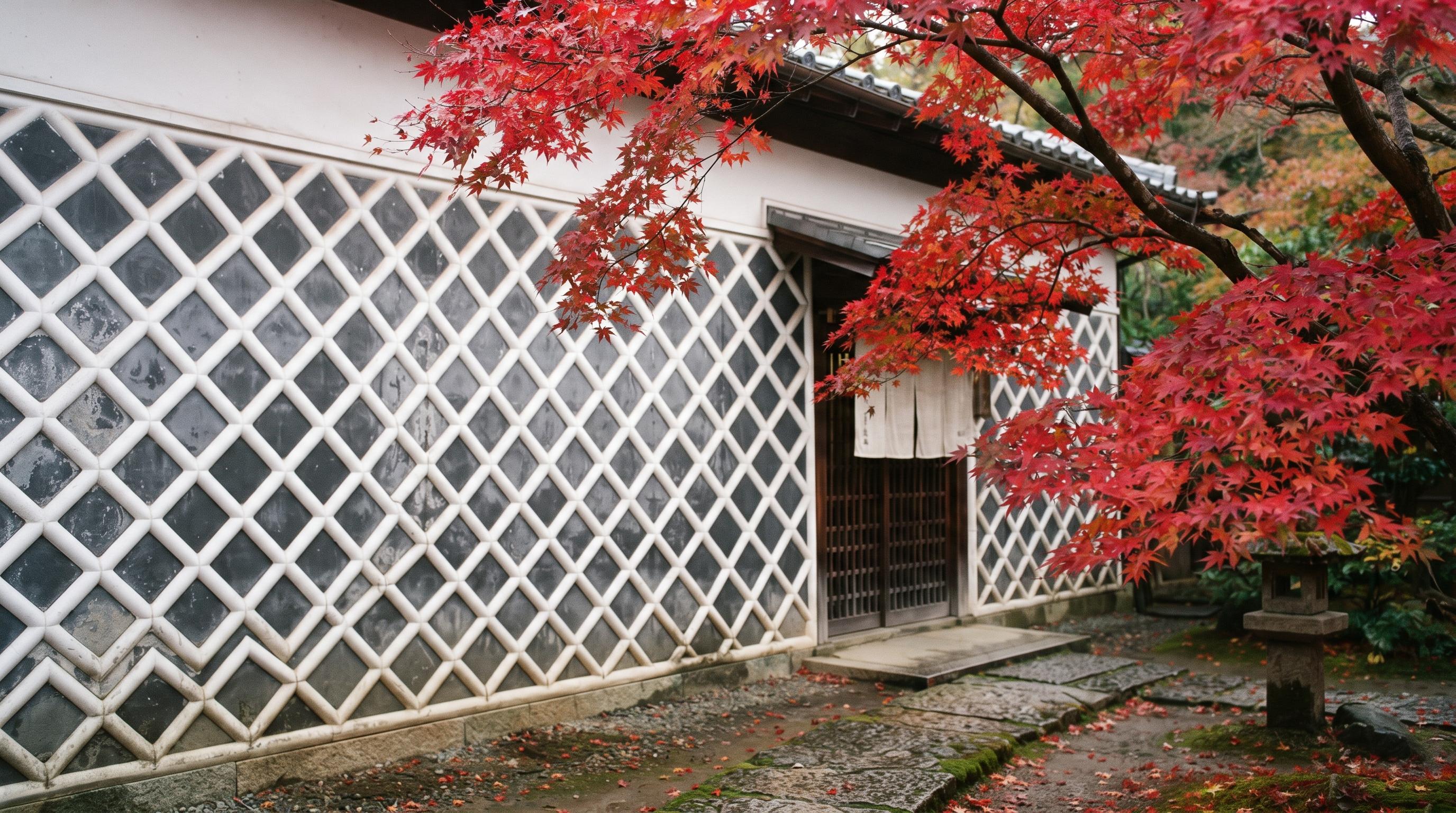
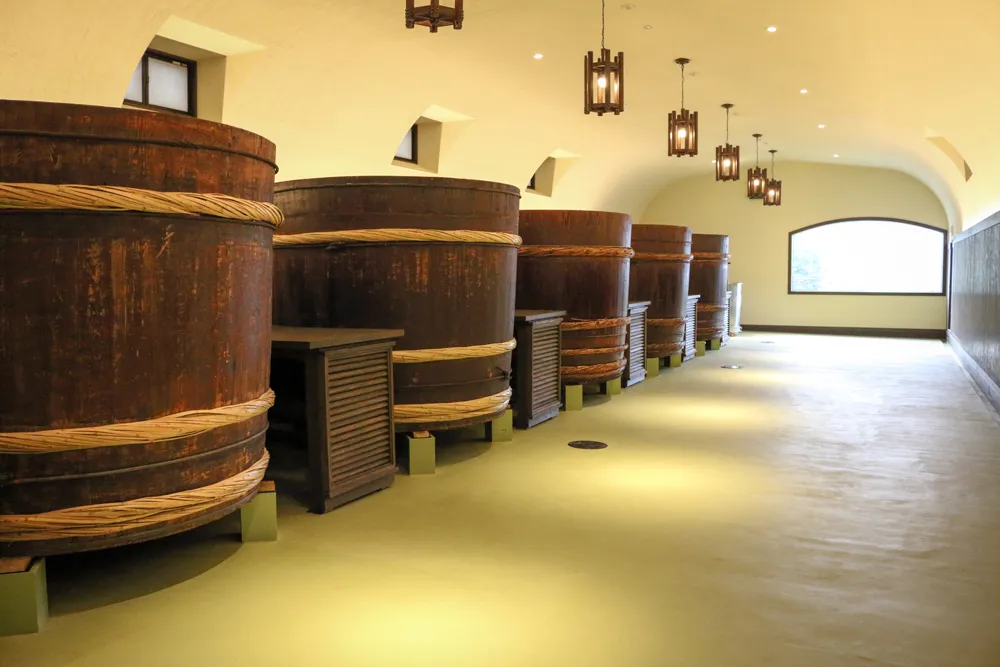
The architecture reflects function. Thick earthen walls stabilize cellar temperatures during winter koji cultivation; latticed windows ventilate fermentation rooms; ceramic-tiled roofs shed the humidity that threatens stored rice. Many breweries retain wooden pressing frames and open-top fermentation tanks, tools largely replaced by stainless steel elsewhere. The district's water — drawn from wells 15 to 30 meters deep — remains soft and iron-free, the geological constant that made Saijo viable in the first place.
Saijo sake tour tours thread through this working landscape, stopping at brewery shops where toji — master brewers — or their representatives pour samples and explain regional techniques. The tasting fees, typically 300 to 500 yen per flight, grant access to releases not distributed beyond Hiroshima Prefecture. The walk itself covers less than two kilometers, but the concentration of craft knowledge compressed into that distance is unmatched anywhere in Japan. Visitors leave with an understanding not just of sake, but of how a single ingredient — rice, water, koji — can yield a thousand variations when handled by hands that have worked the same cellars for generations.

Saijo is the only district where visitors can compare house styles on foot in a single morning.
Casual and comfortable walking shoes are recommended for the Saijo Sake District streets. Dress modestly when entering historic brewery interiors.
Large luggage should be stored at Saijo Station lockers to navigate the narrow historic lanes of the Saijo sake tour easily. Security is minimal, but please respect private property boundaries.
Photography is permitted in outdoor areas of the Saijo sake tour. Always check for signage or ask permission inside individual brewery storehouses.
Families are welcome to walk the Saijo sake tour area. Note that sake tasting is strictly for visitors 20 years of age and older in Japan.
The main streets are paved and walkable, but some historic brewery buildings have steps or uneven floors. Please inquire at the information center for specific accessibility options.
Visitors can enjoy sake-infused sweets and local specialties at cafes during a saijo sake tour. Consumption of outside alcohol is discouraged outside of designated tasting areas.
Best arrival window
10:00–16:00
Address
Saijohonmachi, Higashihiroshima City, Hiroshima Prefecture, 739-0011, Japan
Entry fee
0 JPY (Free entry to the district; tasting fees vary by individual brewery)
Contact
+81-082-421-2511
Storage
Available at Saijo Station or tourist information center
Navigation
Walking distance from JR Saijo Station
Tours booked via third parties have varying cancellation windows. Please check the terms at the point of purchase.
Recommended time
3-4 hours
A self-guided saijo sake tour typically requires three to four hours to comfortably explore the historic brewery district and enjoy various tastings at your own pace. While weekend mornings remain quiet, crowds peak around midday, so we recommend arriving between 10:00 and 12:00 to ensure you have ample time to visit the local brewery shops.
Crowd levels through the day
The saijo sake tour traces its origins to the Edo period, when Hiroshima's brewing industry began capitalizing on the region's exceptional groundwater. By the 1650s, Saijo's subterranean springs—filtered through granite layers and rich in minerals—had attracted small-scale producers experimenting with rice fermentation. The water's low iron content and balanced calcium levels proved ideal for sake production, a discovery that would anchor the district's economy for centuries. Early breweries clustered along what is now Sakagura-dōri, the main thoroughfare where seven historic breweries still operate today. The Meiji era brought industrial modernization and competition from mechanized breweries in Kyoto and Kobe. Saijo's producers responded by forming cooperative guilds in the 1880s, pooling resources to improve koji-making techniques and rice polishing ratios. Kamotsuru Brewery, established in 1873, pioneered the use of Hiroshima-grown Nakate Shinsenbon rice, a varietal bred specifically for sake fermentation. By 1907, Saijo ranked among Japan's top five sake-producing districts, shipping cedar barrels via the newly constructed San'yō Railway. The district's red-brick chimneys and white-walled kura storehouses became regional landmarks, symbols of a thriving craft industry rooted in pre-industrial methods. World War II nearly extinguished the saijo sake tour tradition. Allied bombing raids in 1945 destroyed four of the district's eleven breweries, and post-war rice shortages forced the remaining producers to halt operations until 1949. Government-mandated rationing restricted sake production to 30 percent of pre-war output, a policy that persisted until 1969. The Sato Brewery, founded in 1912, converted its facilities to soy sauce production to survive. Revival came gradually through regional branding initiatives in the 1970s, when Hiroshima Prefecture designated Saijo a protected sake zone. Today, the district produces over two million liters annually, with breweries like Hakubotan and Kirei maintaining Edo-period fermentation cellars alongside modern temperature-controlled tanks. The original mineral-rich groundwater still feeds every production line.
Saijo's low-iron groundwater attracts early sake producers experimenting with rice fermentation techniques
Kamotsuru Brewery opens, pioneering the use of locally bred Nakate Shinsenbon rice for premium sake
Saijo ranks among Japan's top five sake districts, shipping cedar barrels via the new San'yō Railway
Allied bombing destroys four of eleven breweries; post-war rice rationing halts production until 1949
Hiroshima Prefecture designates Saijo a protected sake zone, reviving the district's brewing economy
Seven historic breweries produce over two million liters annually using original Edo-period fermentation cellars
Stand in the middle of this historic road to capture the contrasting red brick chimneys against traditional white-walled storehouses. This central artery is essential for anyone on a saijo sake tour seeking the iconic district aesthetic.
Position your camera from the pedestrian paths near the Hiroshima University intersection to align the cluster of distinctive sake brewery chimneys. These industrial landmarks represent the heart of the Hiroshima brewing district.
Frame the historic wooden facade and the classic cedar ball hanging at the entrance to highlight traditional craftsmanship. This spot offers a focused view of the architectural details found on many saijo sake tour tours.
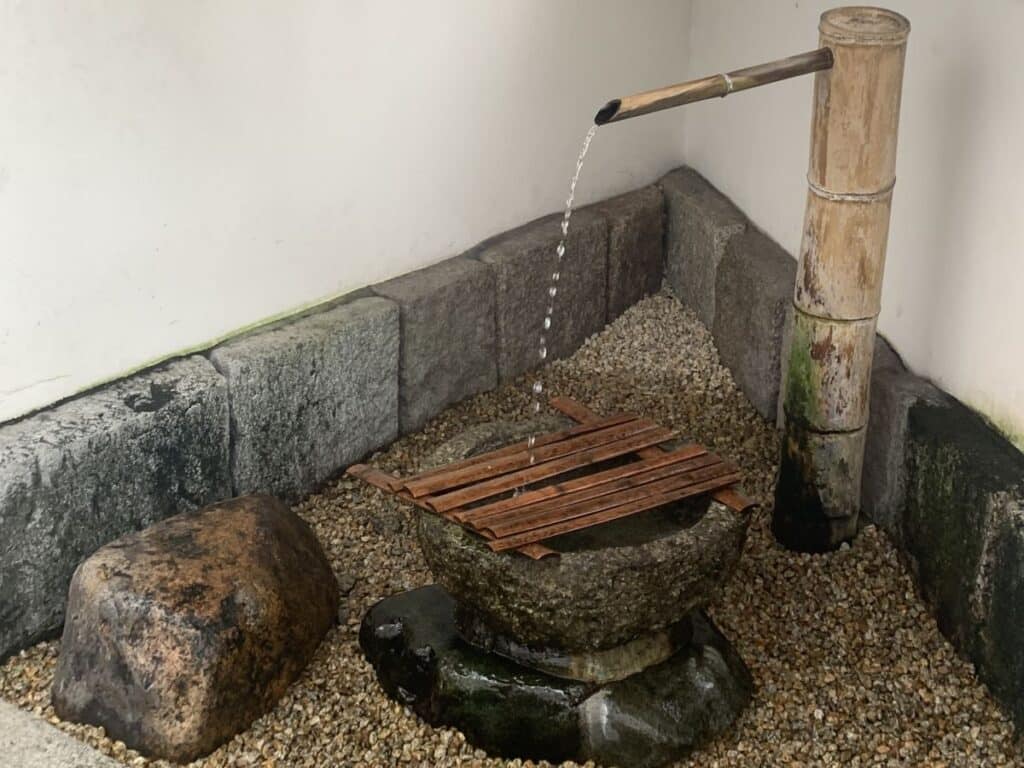
Locate the historic water pumps and stone-lined wells scattered throughout the area to capture the source of the local brewing water. These small features provide excellent textures for those seeking saijo sake tour tour photography options.
Exploring the historic brewery district is enhanced by local eateries that feature regional fermentation ingredients near your saijo sake tour. While no full-service restaurants operate inside the breweries, excellent options sit within a short walk for those planning saijo sake tour tours.
Located within the district, this spot specializes in sake-infused sweets and savory dishes featuring sake kasu. It is perfect for a light lunch while you consider your saijo sake tour tour options.
Real experiences from real travelers
We spent half a day exploring Saijo's sake breweries and the experience exceeded expectations. The Kamotsuru museum provided context before we visited working breweries. Tasting sessions were generous and staff explained the differences between junmai and ginjo styles. Walking between the historic kura buildings felt like stepping into another era.
This saijo sake tour offers an authentic look at traditional brewing methods still used today. We visited four of the seven breweries in the district. Each has distinct character and their own signature blends. The spring water wells are open to visitors and you can taste the soft mineral water that makes Saijo sake distinctive.
The concentration of breweries in such a small area makes Saijo unique in Japan. We joined a guided tour that included both historic and modern facilities. Seeing the koji rice preparation and fermentation process firsthand was educational. The neighborhood itself is charming with its white-walled warehouses and red chimneys.
Spent an afternoon on the saijo sake tour and learned more about sake production than I expected. The brewers were welcoming and answered technical questions. Tasting fees are reasonable and you receive quality samples. The district is compact enough to cover on foot within three hours.
Visiting Saijo's sake breweries provided insight into centuries-old techniques. The district preserves its traditional architecture beautifully. We purchased several bottles directly from the breweries at better prices than Tokyo shops. Staff offered shipping services for international orders which was convenient.
Toured five breweries during peak brewing season in December. The aroma of fermenting rice filled the streets. Each brewery on the saijo sake tour has its own museum or tasting room. We tried limited seasonal releases only available at the source. The district was quiet midweek which allowed unhurried conversations with brewers.
This sake district offers more than just tastings. The architecture tells the story of Saijo's brewing history spanning back to the Edo period. We spent four hours moving between different breweries and never felt rushed. The contrast between traditional wooden buildings and modern bottling facilities was interesting.
The walking route through Saijo's sake breweries is clearly marked with English signage. Each brewery has different specialties worth trying. Staff provided tasting notes and food pairing suggestions. The small museum at Hakubotan brewery had English descriptions of the brewing process. Public transport from Hiroshima makes this an easy day trip.
Visiting working breweries where sake is still made in small batches felt genuine. The master brewers take pride in their craft and share knowledge generously. We learned about the importance of rice polishing ratios and water quality. The saijo sake tour reveals a side of Japanese culture often overlooked by tourists.
Saijo deserves its reputation as one of Japan's premier sake regions. The combination of soft groundwater and skilled brewers produces exceptional sake. We compared styles across different breweries and developed preferences. The district maintains its working character rather than feeling like a tourist attraction.
Everything you need to know for your journey
The Saijo Sake District generally welcomes visitors between 10:00–16:00 for the best access to shops and breweries. Individual brewery hours may vary within this window.
Entry to the district is 0 JPY, though individual tasting fees apply per brewery during your saijo sake tour.
The area is a convenient 5-minute walk from JR Saijo Station. Trains from Hiroshima take about 35–40 minutes, making a saijo sake tour an easy day trip.
Families are welcome to enjoy the historic scenery, but please note that the minimum legal drinking age in Japan is 20 for any sake tasting during a saijo sake tour.
Photography is generally allowed on the streets and at many exterior landmarks of the saijo sake tour. Please look for signs inside breweries as policies can differ.
While open year-round, autumn offers a beautiful atmosphere. Many visitors find the 10:00–16:00 window optimal for a saijo sake tour.
The Tourist Information Center provides English guidance and maps to support your independent saijo sake tour.
Cash is highly recommended as many historic breweries do not accept credit cards for small tasting fees during a saijo sake tour.
Yes, you can explore the area at your own pace without booking a formal saijo sake tour.
Join thousands of happy travelers who have discovered this incredible experience
Book Your Experience Now